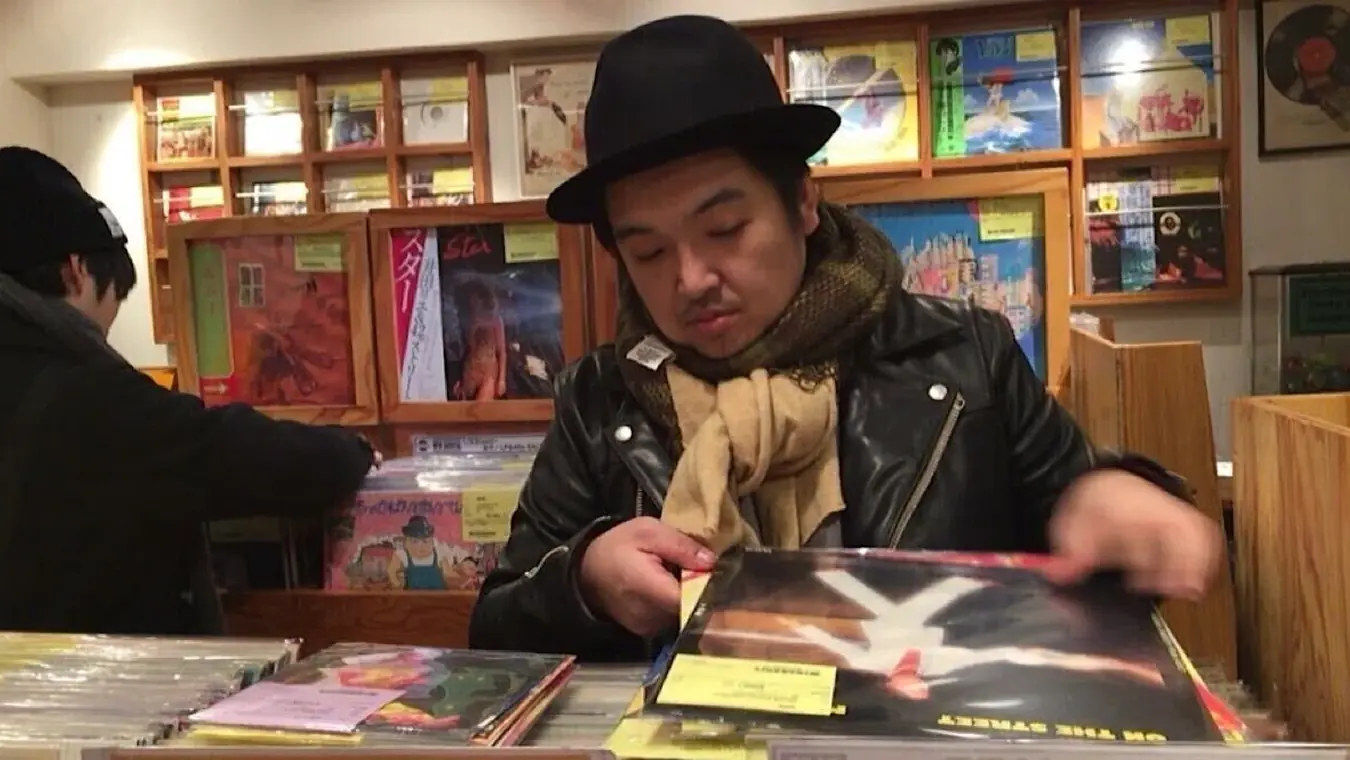
Growing Up Around Video Production
- To start, could you tell us about your role in video production?
-
As a producer, I oversee every stage of a project—from planning and production to delivery. My responsibilities include managing quality, budgets, schedules, and assembling the right creative team.
- What first sparked your interest in filmmaking?
-
Ever since elementary school, I loved staying up late to watch music videos and variety shows. My friends and I would recreate TV commercials and comedy sketches just for fun.
We filmed everything on an old 8mm camcorder we had at home and edited it by recording over VHS tapes.
During middle and high school, I became obsessed with skateboarding videos and MTV. My father worked in advertising, so I often saw the projects he was involved in.
Looking back, creative filmmaking was always part of my surroundings. By the time I was in high school, I already knew I wanted to pursue it professionally.
- How did you end up joining INFOCUS?
-
After graduating from university, I joined a TV commercial production company hoping to become a director. Then I realized one important problem—I couldn’t draw! (laughs)
Instead, I became a production manager and later moved into producing. After changing companies, I began producing not only commercials but also music videos.
Around that time, I spoke with INFOCUS CEO Takashi Iguchi and Art Director Ryota Nakayama, who had both been friends since university.
They told me about the company’s growing video team, and the timing felt right, so I joined in 2018. I had also known Director Yoshinori Kataoka before joining, so settling into the team came naturally.
- What impression did you have of INFOCUS before joining?
-
My previous company was much larger, and it often felt like there was a distance between employees. What attracted me to IN FOCUS was how closely everyone worked together.
I also liked that the company wasn’t limited to video production—it handled web, graphic, and other creative work all under one roof. The atmosphere felt collaborative and genuinely enjoyable.
- You’ve now been at IN FOCUS for over five years. How has the company changed?
-
The team has almost doubled in size. Most of our members joined from other companies, bringing different experiences and perspectives. I’ve learned a tremendous amount from working alongside people with skills I didn’t have.
What hasn’t changed is everyone’s commitment to pushing creative work as far as it can go.
The qualities that first attracted me to IN FOCUS are still here today. And with the launch of our creative studio CONTRAST, I’m excited to see where the company goes next.
Finding Our Rhythm as a Team
- As a video producer, what do you value most?
-
The first thing I think about is creating an environment where everyone can do their best work.
Our projects involve a lot of freelance creatives and outside collaborators, so communication is everything. When I’m putting together a team, I don’t just think about whether someone has the right skills.
I think about how people will work together, whether they’ll bring out the best in each other, and whether the combination will create something greater than the sum of its parts.
When people feel comfortable speaking openly and sharing ideas, the work always gets better. I also try to build an atmosphere where everyone respects one another.
It’s a lot like a team sport.
- What’s the secret to creating that kind of atmosphere?
-
I think it’s important to have conversations that go beyond work. Those moments often reveal sides of people you wouldn’t normally see on the job, and they can also lead to insights that help us work together more effectively in the future.
When you understand someone’s personality and what they’re genuinely interested in, it’s much easier to understand what they need. It creates an environment where people naturally support one another—if someone’s struggling, you help them, and when you need help, they’re there for you. That kind of mutual understanding makes working together much smoother.
Some of the best ideas also come from those casual conversations.
Funny enough, they can end up being more interesting than ideas you’ve spent days trying to figure out.
Outside of work, I also perform as a DJ, and just as I do with music, I always try to cultivate a strong sense of groove within the team.
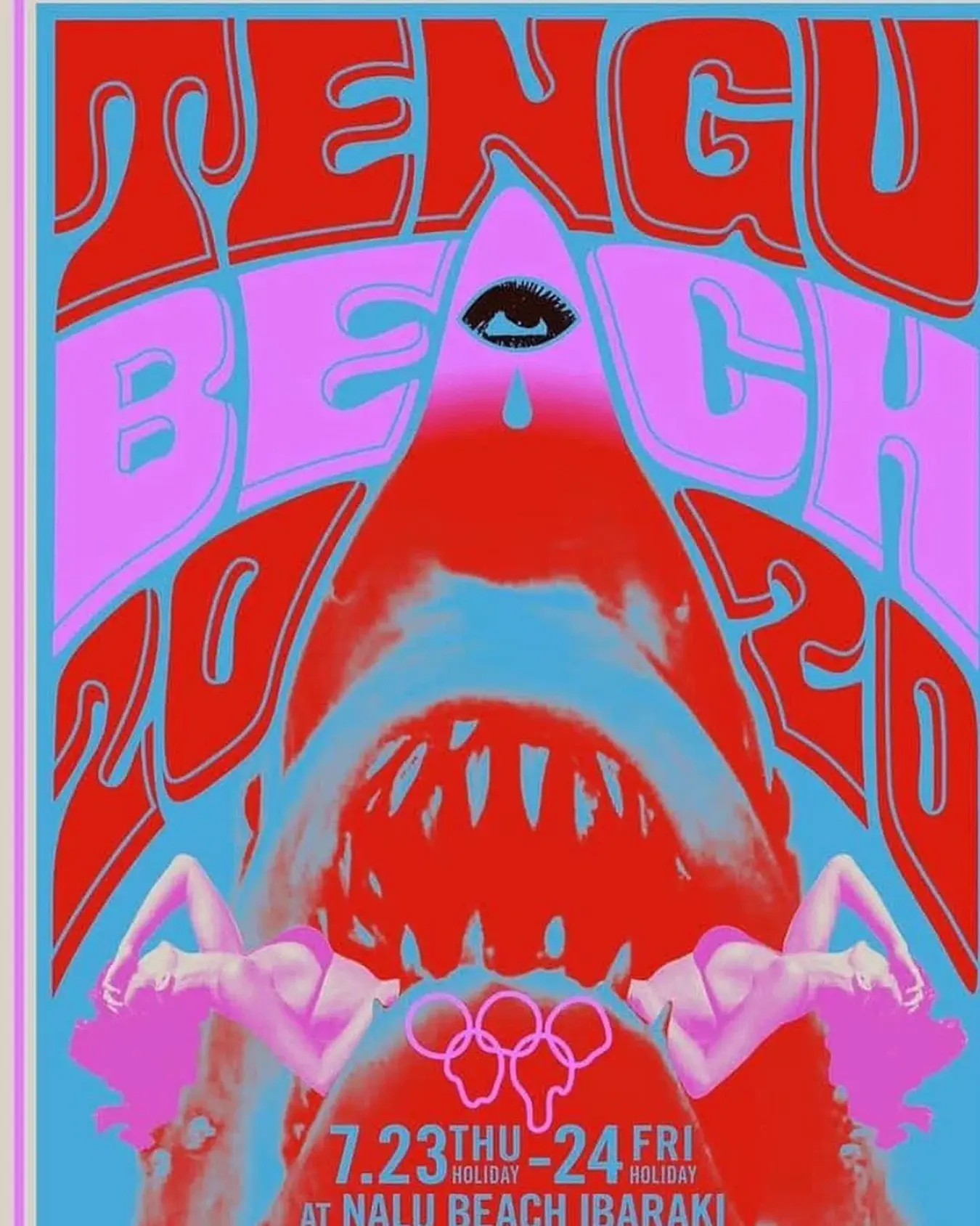
Flyer for a DJ Event Organized by Kazuyuki Sekiyama
Bringing ASOBUILD to Life Through CG Animation
- Which project has left the strongest impression on you?
-
One project that still stands out is the concept film for ASOBUILD, an entertainment complex in Yokohama. At the time, our video team was still quite small, so I managed the project together with a group of external collaborators.
The biggest challenge was that the building was still under construction. There was nothing to film—no finished spaces, and very few visual references.
So I proposed creating the entire teaser using CG animation.
I reached out through Instagram DMs to a filmmaker I’d been following, Densuke (Densuke No.28), and passionately pitched the idea. Thankfully, he said yes.
We spent countless hours discussing how to visualize a place that didn’t exist yet—sometimes over drinks, sometimes in long creative sessions.
Eventually, we decided to transform each floor of ASOBUILD into its own game-inspired world.
Every scene reflected a different part of the facility: a dance floor representing YOKOHAMA COAST garage+, a basketball court inspired by SAL SPORTS PARK, and even an outer-space sequence based on the children’s area Hapipi Land.
We also invited artist Qiezi Mabo to make a cameo appearance as a CG character.
The idea was to create a memorable hook while also appealing to audiences interested in art and underground culture.The client embraced the idea, and I think it gave the teaser another layer of personality.
Working with artists I deeply admired made the project especially meaningful.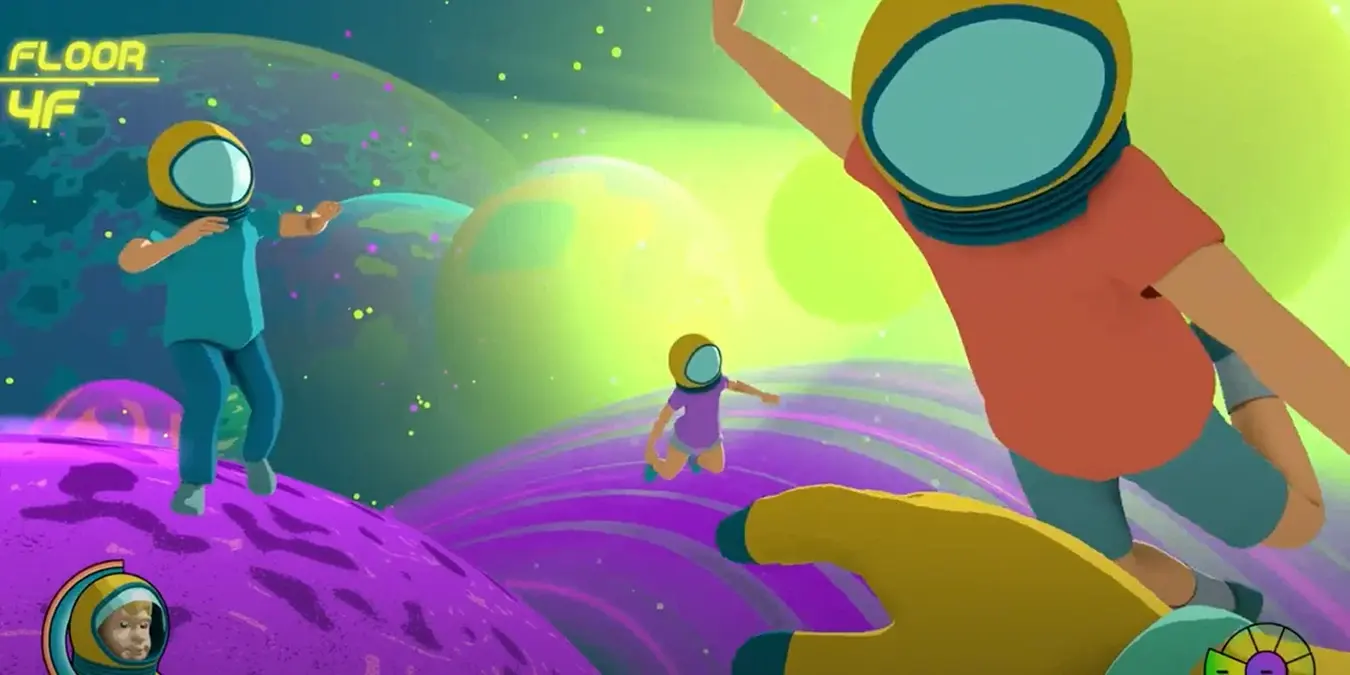
Visualizing each floor through CG animation
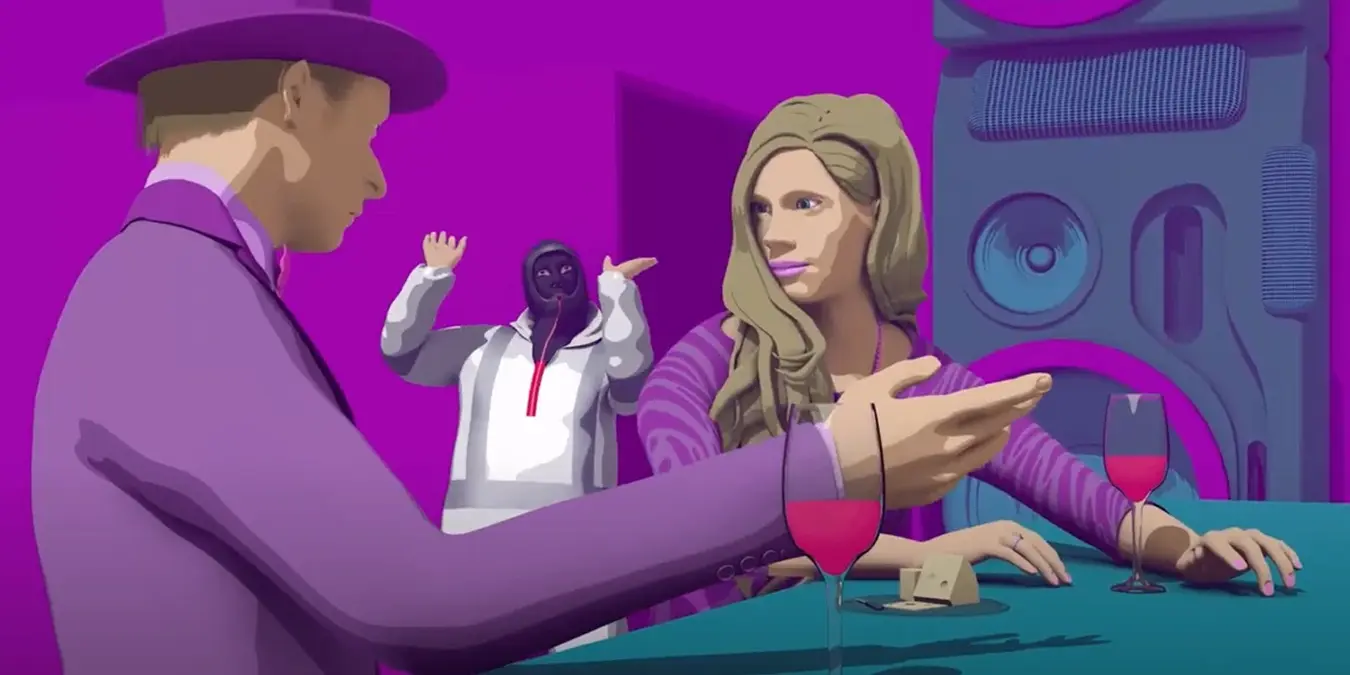
Artist Qiezi Mabo also appears as a character
Capturing Shibuya’s Spirit for LIPPS BOY
Another memorable project was the brand film for LIPPS BOY, a men’s cosmetics brand.Every scene was filmed in Shibuya.
We knew going in that it would be challenging—and it absolutely was. The project was directed by Nakajima, with Ishizaki serving as production manager. Directors Kataoka and Yota also joined from the planning stage and played major roles throughout production.
LIPPS originally started as a hair salon in Harajuku, and their headquarters are still located near Gaienmae. They wanted the film to capture Shibuya because it represents the constantly evolving style and culture of young people.
Of course, filming in Shibuya isn’t easy.
There are crowds everywhere, countless buildings and signs requiring permission, and generally every reason a production team would prefer to avoid shooting there. (laughs)
For iconic locations like Shibuya Scramble Crossing, we found creative ways to include them—for example, filming them through elevator windows rather than shooting directly on the street.
Despite all the obstacles, we managed to complete the entire production on location in Shibuya.
That was only possible because the client, agency, and production team worked together as one. I think that’s exactly the kind of “groove” I was talking about earlier.
For the soundtrack, Art Director Masuda introduced us to TOKYO HEALTH CLUB, whose music perfectly matched the concept.
From planning through final delivery, everyone contributed to making the project something we’re proud of.
I grew up in Tokyo, so Shibuya has always been a meaningful place to me. Being able to create a film that celebrates the city’s unique energy was incredibly rewarding.
How Music and Hobbies Inspire My Creative Work
- Let’s talk a little about life outside work. What inspires you?
-
I organize DJ events and regularly perform at clubs and outdoor festivals. I’m also part of a VJ collective called PLAYBACKBOYS.
Many of the people who attend my events work in commercial production—directors, cinematographers, stylists, and other creatives. Those gatherings often lead to new friendships, collaborations, and even future projects.
In many ways, DJing isn’t that different from producing. You’re combining different elements to create one experience.I’m also a bit of a collector. Records, vintage children’s boomboxes, random objects that I’m not even sure what they’re supposed to be used for. (laughs) Sometimes I even bring pieces from my collection onto set and use them as props. I think surrounding myself with those kinds of objects gives me fresh creative inspiration and helps me bring a sense of playfulness to my work.
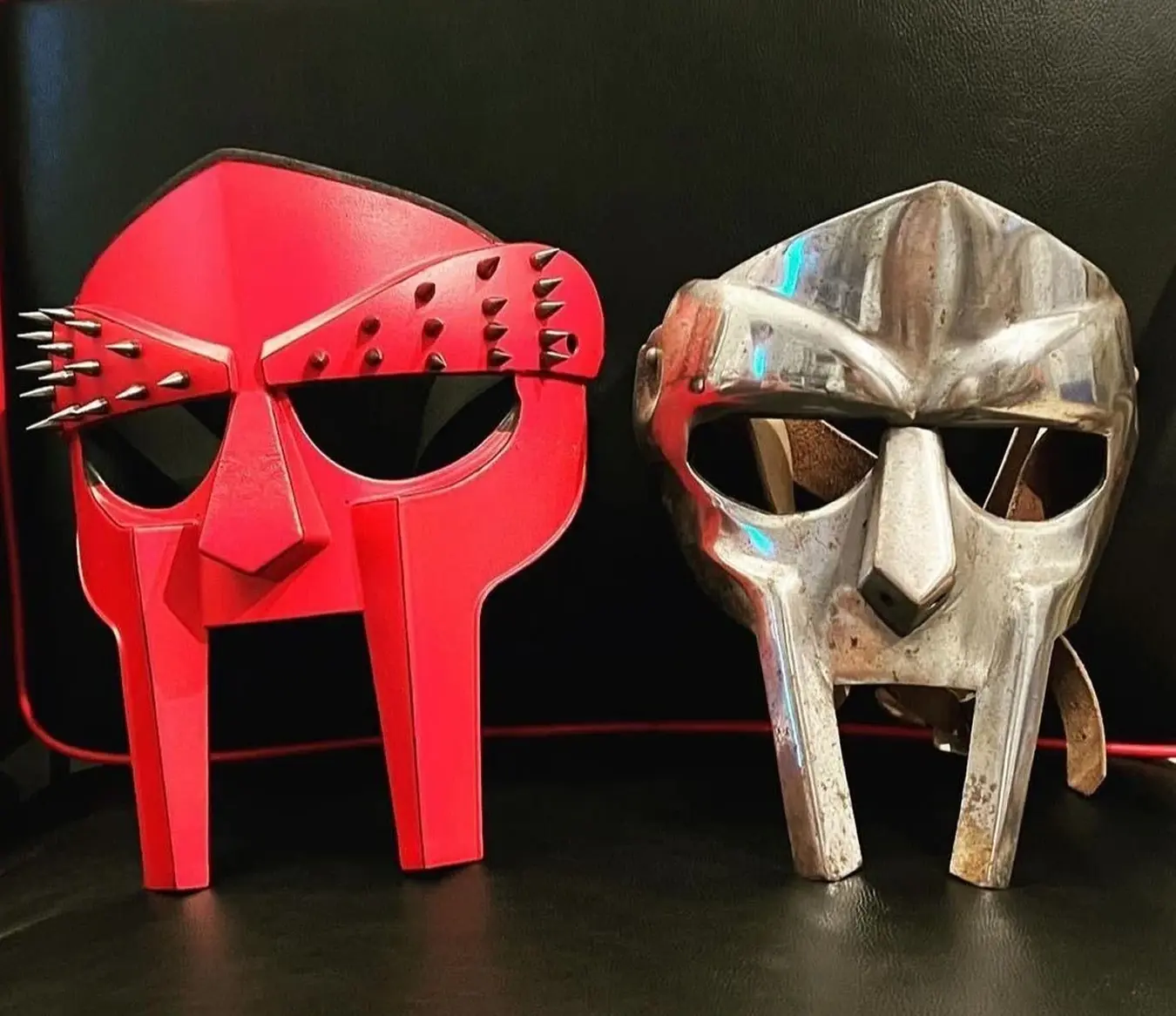
A Custom Red Version of Rapper MF DOOM’s Mask, Created as a Tribute
- Finally, what are your goals for the future?
I’m deeply inspired by commercials and music videos from the 1980s and ’90s.
They had a real sense of texture and personality. The visual expression was bold, the copywriting was memorable, and yet they still functioned brilliantly as advertising.
Even today, many of those works hit you with incredible impact.
You can feel the passion of the people who made them.
My goal is to take the inspiration I’ve drawn from those classic works and reinterpret it through today’s technology—to create films with even greater impact while making them work even more effectively as advertising.