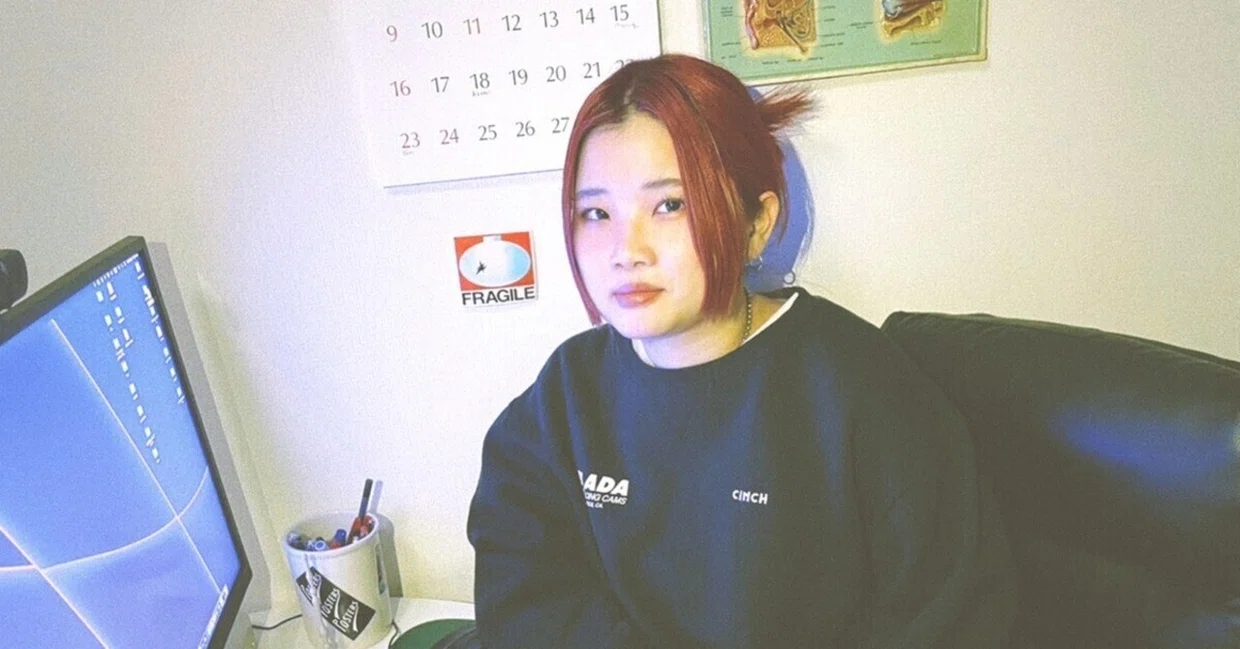
From the Sotetsu 60th Anniversary Campaign, which received the Grand Prize in the Anniversary Category at the Nikkei Advertising Awards, Tsukidate has worked on a wide range of creative projects. We sat down with her to talk about the stories behind her work, creative process, and what she values most as a designer.
Capturing the Spirit of the Workplace Through Creative
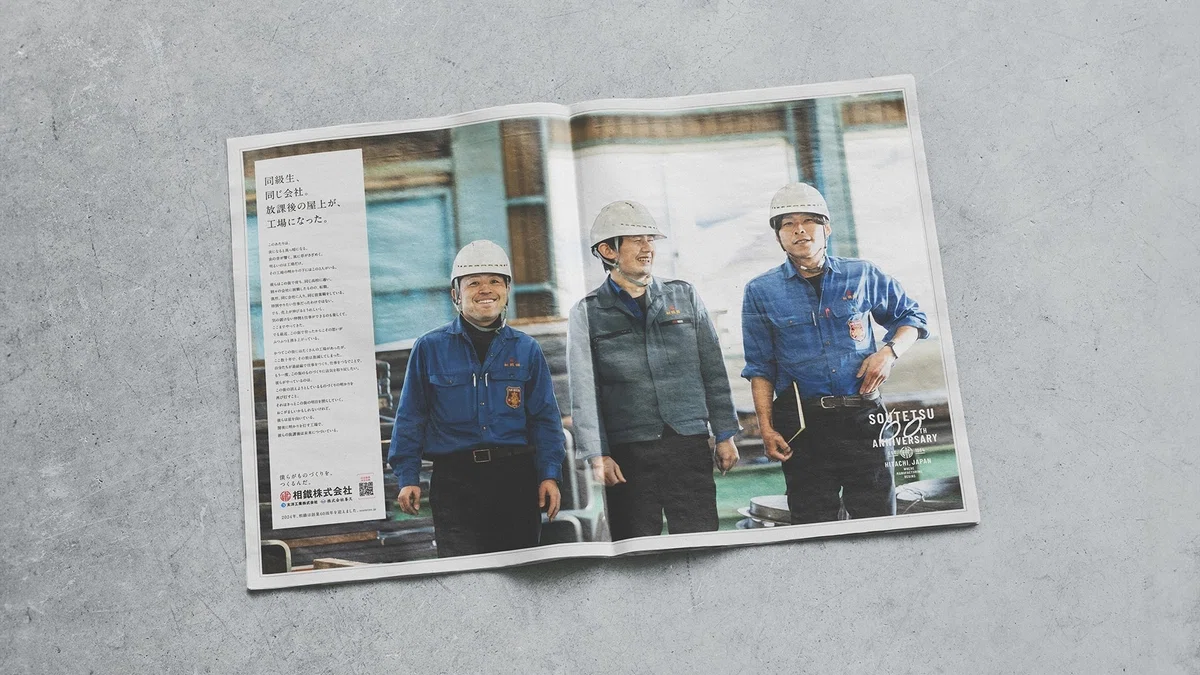
The Nikkei Advertising Award–Advertisement for Sotetsu’s 60th Anniversary
- Congratulations on receiving a Nikkei Advertising Award for the Sotetsu 60th Anniversary Campaign. Could you tell us more about the project?
-
Thank you. Sotetsu is a steel processing company based in Ibaraki Prefecture. INFOCUS first partnered with them in 2014 for their 50th anniversary rebranding, and we’ve continued working together for more than a decade. For their 60th anniversary, we developed the overall commemorative communication campaign, including the award-winning advertisement. I was responsible for the art direction and design.
- How did you approach the design?
-
I’ve been involved with Sotetsu’s creative work for nearly ten years, but for this milestone, our first step was to visit the company and spend time on-site as a team. What struck me most was how the company is built on the people who make it work. Sales and administrative staff regularly visited the factory floor to communicate with employees, the founder had a close relationship with everyone, and people naturally talked to one another throughout the workplace. When you hear "steel processing," you tend to imagine machinery and heavy industry. But what I experienced was a company driven by genuine human connections. That feeling became the foundation of the design. That’s why the "60" in the anniversary logo was drawn by hand—to reflect the warmth and humanity that define the company.
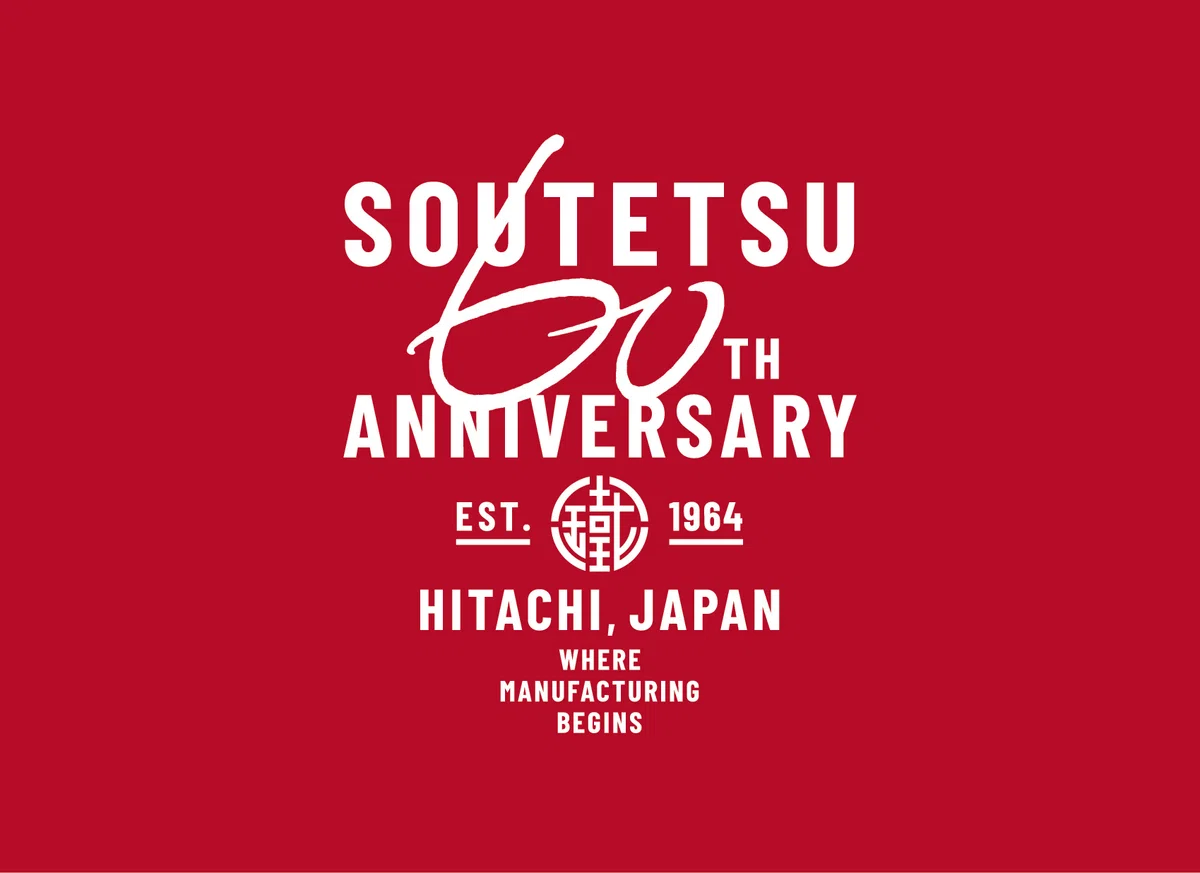
Anniversary Logo
- So your experience on-site directly influenced the design.
-
Exactly. Beyond expressing that warmth, we also wanted this anniversary project to belong to everyone—not just management or the creative team. To make it something employees could truly feel part of, we invited them to each draw their own version of the number "60." The campaign also features six employees. Built around the concept of "The Last Ten Years," it reflects both the company’s growth and the changes in society since 2014, while looking ahead to the future through each individual’s story. Rather than focusing solely on organizational growth, we wanted to celebrate diversity and highlight the importance of every person’s unique perspective—a message that feels especially relevant today.
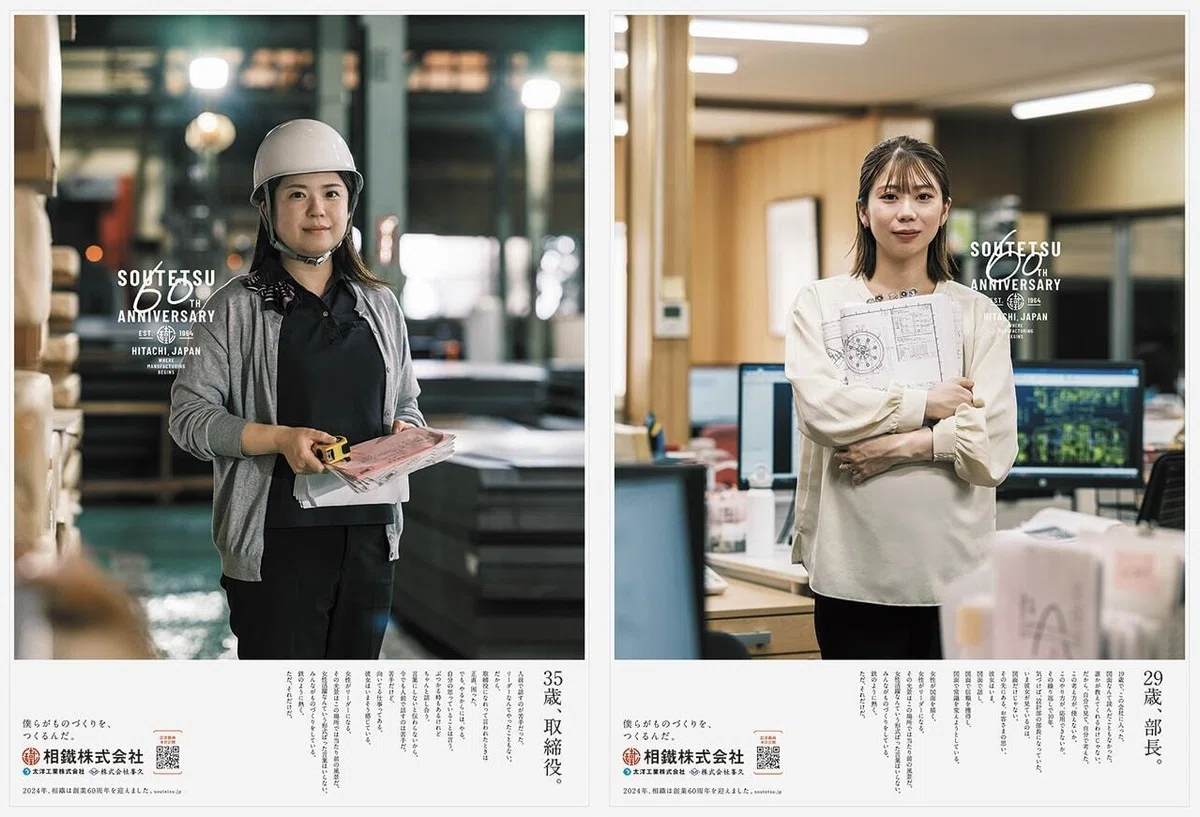
Tekko Newspaper Advertisement
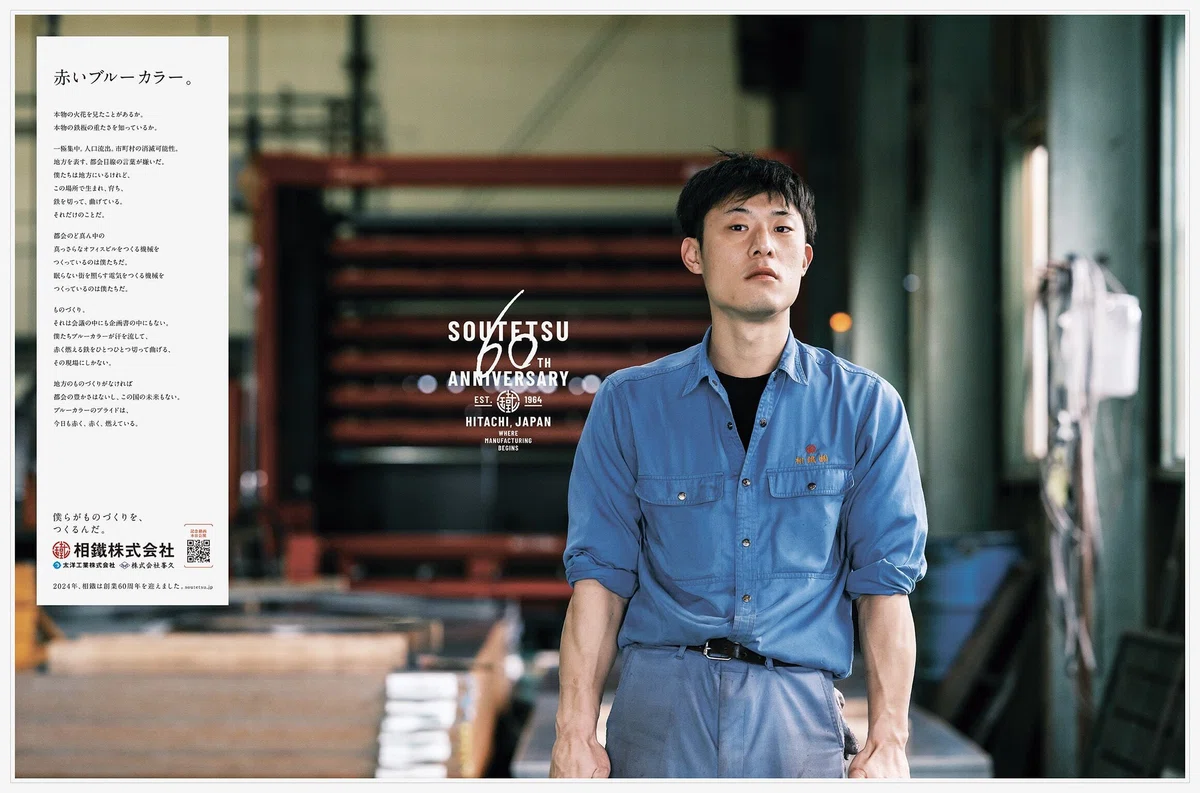
Ibaraki Newspaper Advertisement
Shaping a Visual World That Brings Every Story to Life
- Is there another project that’s particularly memorable to you?
-
One recent example is the digital cover artwork for Tatsuya Kitani’s song "Humor." The song serves as the theme for the film Yukite Kaeranu and was written as a tribute to the literary works of Chuya Nakahara. Because of that connection, I designed the cover to resemble the look and texture of a vintage Japanese paperback. At the bottom, I also incorporated a publisher-style emblem shaped around the title Humor, reinforcing the literary inspiration behind the music.
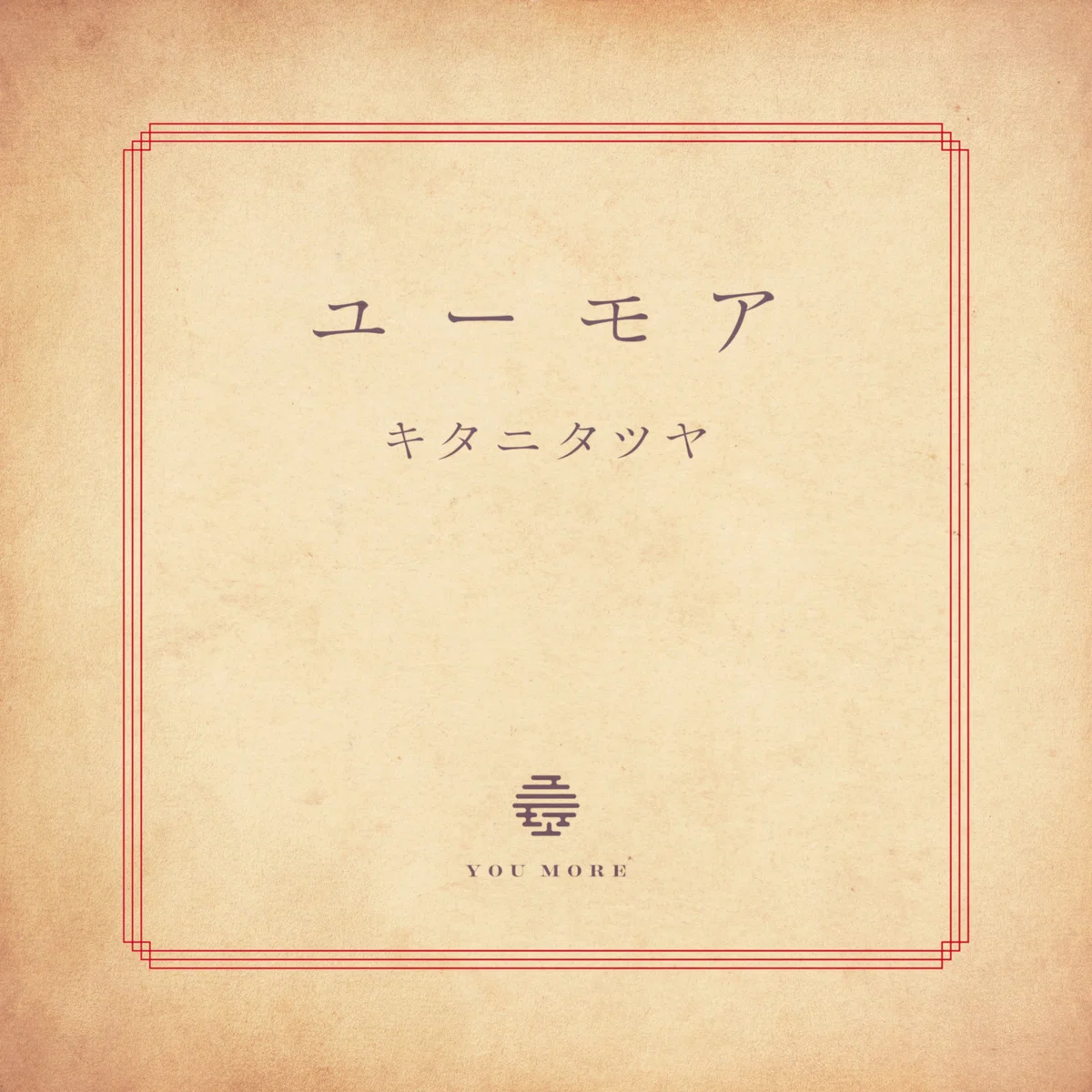
Tatsuya Kitani – "Humor" Digital Cover Artwork
- Speaking of album artwork, your work for the instrumental metal band ASTERISM also stood out.
-
Thank you. That project included not only the album cover, but also the band’s visual identity, posters, and logo design. The band’s request was to evoke the feeling of an 1980s science fiction film, so that became our creative direction.
- How did you translate that into the final design?
-
The name ASTERISM refers to a cluster of stars. The album, Animetic, marked the band’s major-label debut, so I wanted the artwork to represent the beginning of a journey. The concept became the band setting off from Earth toward a distant red planet. We photographed the members first, then composited the final scene using planets, vehicles, forests, and a star-filled sky.
- The car is an interesting detail.
-
One thing I love about many ’80s sci-fi films is that they’re often centered around young protagonists, with ordinary neighborhoods, empty lots, and suburban streets becoming the stage for extraordinary adventures. I wanted to capture that nostalgic atmosphere. Working together with Art Director Shinya, we explored countless scenarios until we found the right balance.
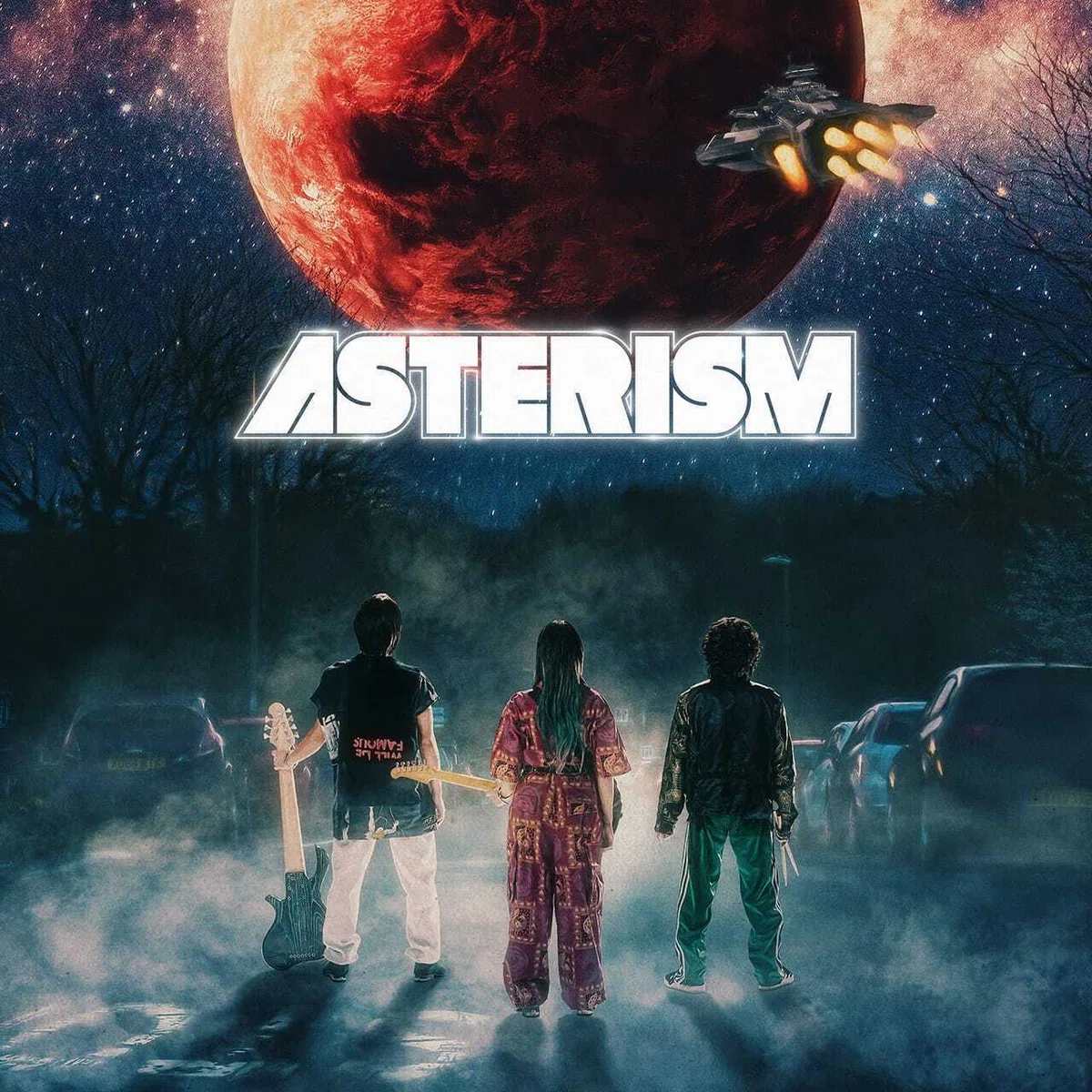
ASTERISM – Animetic Digital Album Artwork
Designing with Balance, Elegance, and Restraint
- Looking across your work, it feels like you’re always trying to capture the essence of a project’s world. Is that something you consciously focus on?
-
Absolutely. Although I work across many different genres, what I enjoy most is understanding the tone and atmosphere of a project, then translating that into design. I’m always chasing that feeling of "this is exactly what it should look like." No matter the style—whether it’s vintage, colorful, or bold—I also try to maintain a certain sense of elegance. Somewhere within every design, I want there to be balance.
- What does that sense of elegance mean to you?
-
For me, it’s all about knowing what to add and what to leave out. It’s a simple idea, but every decision—typefaces, colors, composition, spacing—affects the overall harmony of a design. I spend a lot of time experimenting with those elements until everything feels balanced.
- Outside of work, what inspires your creativity?
-
I love collecting art books. They’re a constant source of inspiration for color, composition, and different forms of visual expression. Recently I’ve picked up books featuring Shusei Nagaoka, Edward Hopper, and Hiroshi Nagai. Nagaoka is famous for creating artwork for Earth, Wind & Fire, and since I’m also a fan of the band, his work has always fascinated me. Seeing his illustrations printed at a larger scale reveals an incredible amount of detail, and every time I’m reminded of how extraordinary they are. I’ve always told myself that if something has the potential to inspire my work, it’s worth investing in. So when I find something I truly love, I don’t hesitate to buy it.
How Family and Music Sparked a Passion for Creativity
- What first inspired you to pursue design?
-
I’ve loved making things for as long as I can remember. As a child, I designed the cover for our graduation yearbook, created artwork for school festivals, and put together classroom newspapers. I also think I was influenced by my grandparents, whom I lived with growing up. My grandfather enjoyed pottery and making soba noodles, while my grandmother worked in the fashion industry. I spent countless hours playing and creating in their workshop.
- And that’s what eventually led you to graphic design?
-
In high school I became obsessed with K-pop. I was fascinated by everything surrounding the music—not just the songs themselves, but the album covers, music videos, typography, photography, and the complete visual world each artist created. I wanted to create experiences like that myself.
I was also in the school concert band, so I considered pursuing music professionally. But ultimately, it was that passion for visual storytelling that convinced me to study design.
A few years ago, I even had the opportunity to work on a K-pop project at INFOCUS, which was incredibly rewarding.
- How did you end up joining INFOCUS?
-
When I was attending design school, one of my instructors introduced me to the company. INFOCUS had a strong presence across fashion, music, and other creative industries, which aligned perfectly with the kind of work I wanted to do. That’s what made me decide to join.
- We heard you were the seventh employee?
-
That’s right. Back then, the office was just a single apartment room in Harajuku. Since the company was deeply involved in culture and the creative industry, I imagined everyone might be a little intimidating at first. (laughs) But in reality, it was an incredibly welcoming place, with a relaxed atmosphere and a healthy balance between work and fun.
- You’ve been with IN FOCUS for more than ten years. Has the company changed much?
-
The team has grown significantly, and with more people comes a wider variety of perspectives and ways of working. But the core of the company hasn’t changed. It’s still a place where people who genuinely love creativity come together to make great work—and I think that spirit continues to define who we are.
- Finally, what are your goals going forward?
-
I simply love creating. Whatever the project or medium, I’m always excited to take it on.
At the same time, I’d like to continue growing as an Art Director and take on even more creative direction projects, particularly in areas like music, fashion, and culture. Those are fields I’m passionate about, and I’d love to keep exploring them.