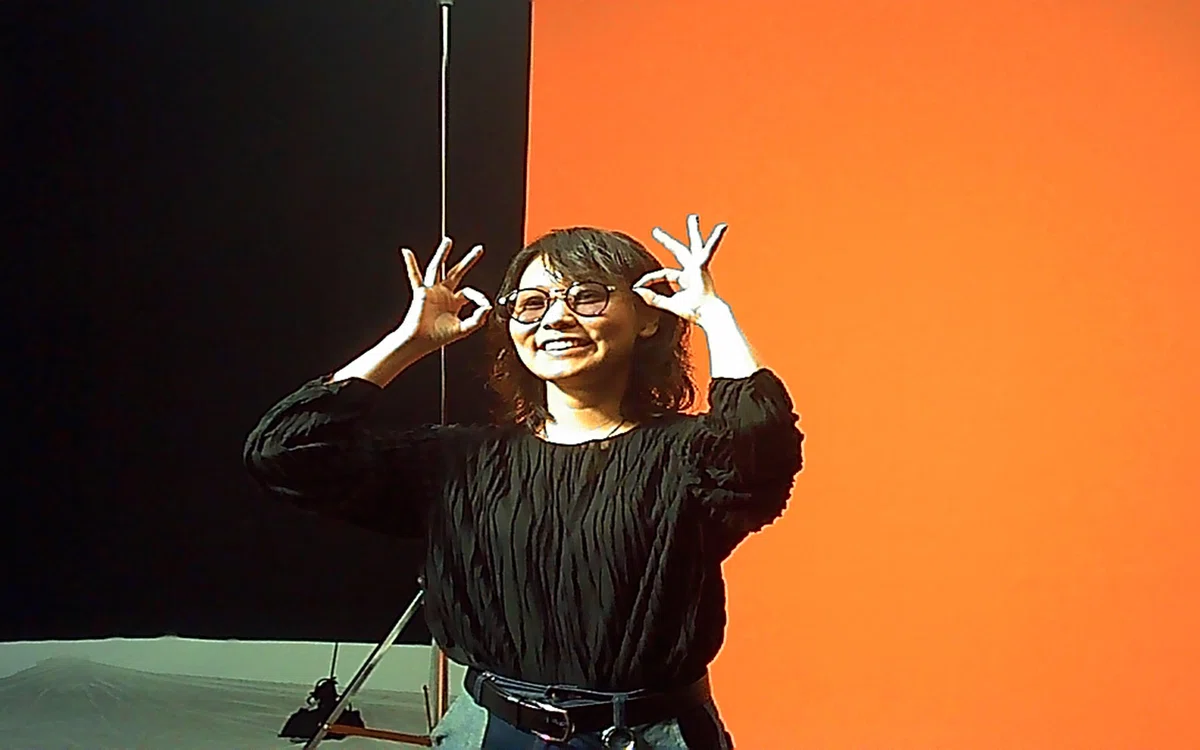
Akiho Sato is a Production Manager whose work has supported projects ranging from YAMAHA product films and Columbia television commercials to Gen Hoshino’s music video Ikidomari. In this interview, Akiho reflects on an unconventional career path—from public service to commercial filmmaking—shares stories from demanding productions, and explains why great production management is ultimately about creating the conditions that allow creativity to thrive.
From Public Service to Video Production
- Your career before joining IN FOCUS was quite unique. Can you tell us about the journey?
-
I spent four years working at my hometown city hall in the Tohoku region, where I was part of the tourism department. My responsibilities ranged from photographing promotional materials to organizing local festivals and product exhibitions.
After that, I worked as a wedding photographer for about a year and a half before moving to Tokyo. From there, I transitioned into web design, then became a director at a music video production company, and eventually joined IN FOCUS.
- That’s quite a career shift. What inspired you to move away from public service?
-
I started working at city hall shortly after the Great East Japan Earthquake. During the reconstruction, I met people from all kinds of professions who had come to help—architects, developers, volunteers, people relocating to Tohoku, even people who had left their jobs simply because they wanted to contribute.
Meeting so many people who were willing to start something new from scratch made me realize I didn’t have to stay on a predetermined path. It encouraged me to think more openly about what I truly wanted to do.
- Photography came next?
-
I began my career as an event photographer. Photography had started as a hobby, but before long it became my profession. The challenge was that back home in Tohoku, winters are incredibly cold, so work on weddings and events would almost disappear for part of the year. (laughs) I’d always been interested in design as well, so I decided to join a web production company, which also brought me to Tokyo.
- And that’s what eventually led you into film production.
-
Yes. What appealed to me about video was that both the work itself and the credits stay with you for years to come. IN FOCUS also felt like a great fit for my background, and I really liked the work in its portfolio, so I decided to join the team.
- What felt different after joining INFOCUS?
-
At the web production company where I first worked in Tokyo, everyone handled both direction and project management.
At INFOCUS, every role has its own area of expertise—directors, editors, designers, producers—and being able to collaborate with specialists in the same environment makes the entire process much smoother.
- That multidisciplinary approach is very much part of INFOCUS’s identity.
-
Definitely. Everyone here is genuinely passionate about making things, and there’s a strong creative awareness across the team. I enjoyed working on TV commercials at my previous job, but I also love how web commercials give us more flexibility and freedom to experiment with different kinds of expression. I also feel that our clients and agency partners really trust INFOCUS, which makes it possible to work in a relaxed and collaborative way.
Making the Impossible Happen
- Is there a project where the planning or coordination behind the scenes really stands out in your memory?
-
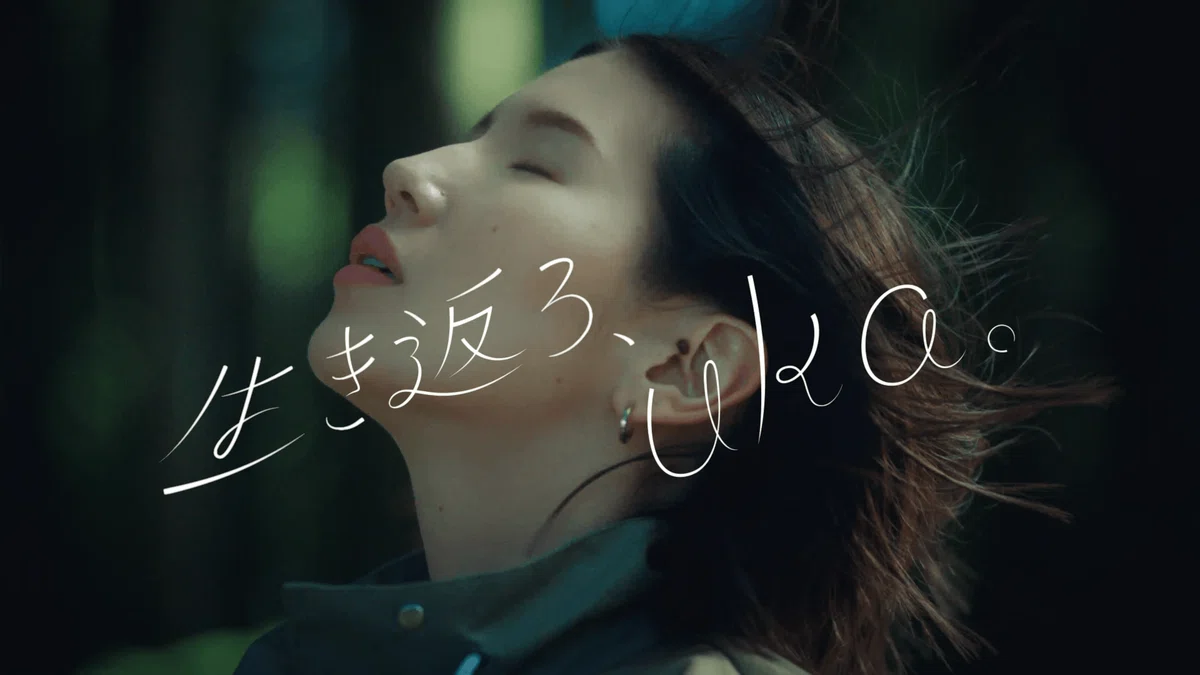
The campaign for the haircare brand uka is one I’ll never forget. The project was set in Izu, and one of its key visual elements was a native tree called kuromoji. The challenge was finding a location where we could realistically film it. The places where kuromoji naturally grows were deep in the mountains, with hardly any accessible paths, so we spent a great deal of time searching for an alternative location that could recreate the same atmosphere.
We also needed a tree stump for the final shot, but naturally occurring stumps weren’t visually suitable. We worked with a lumber supplier to source one, then carefully added moss and other details so it blended naturally into the environment.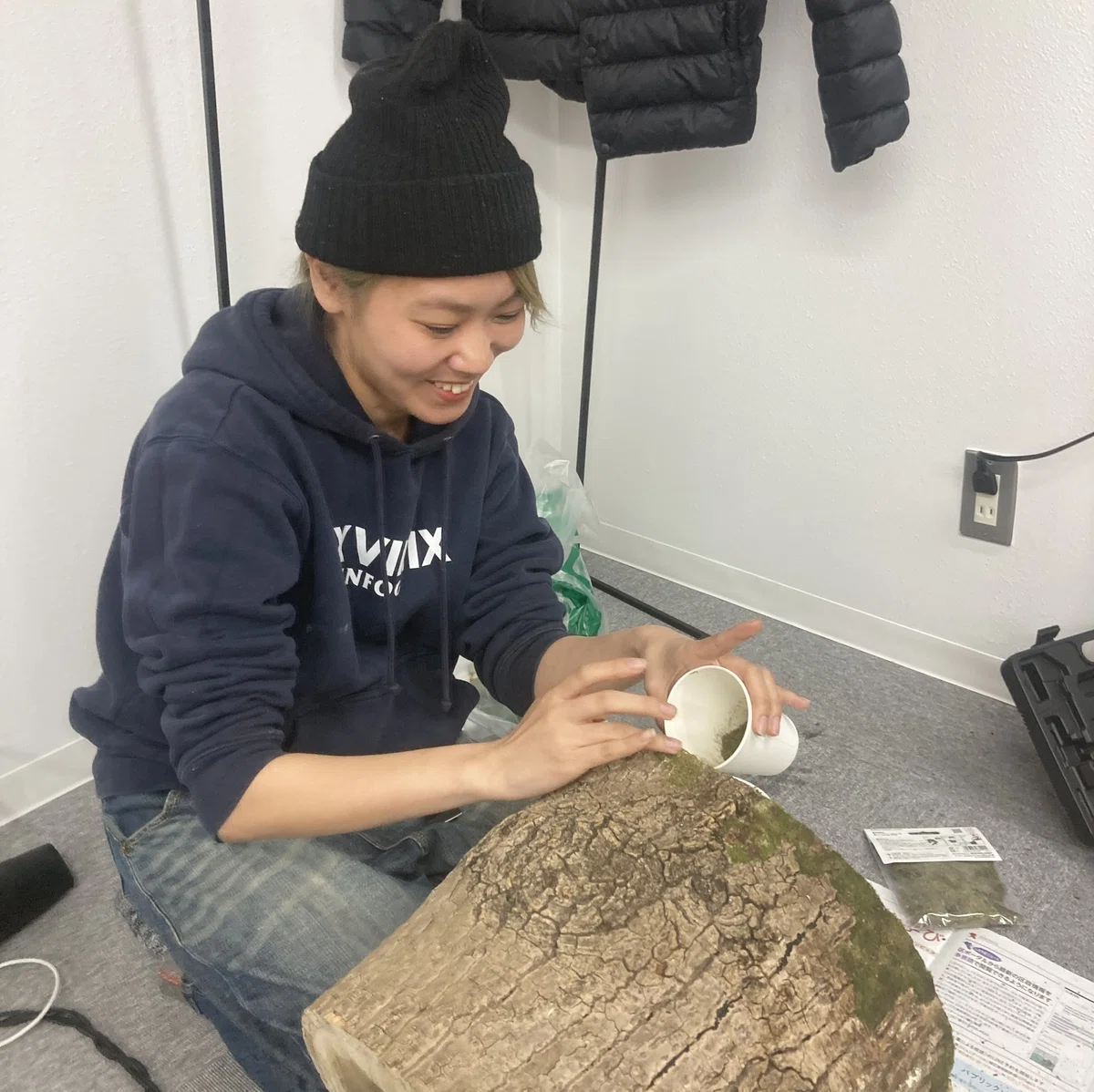
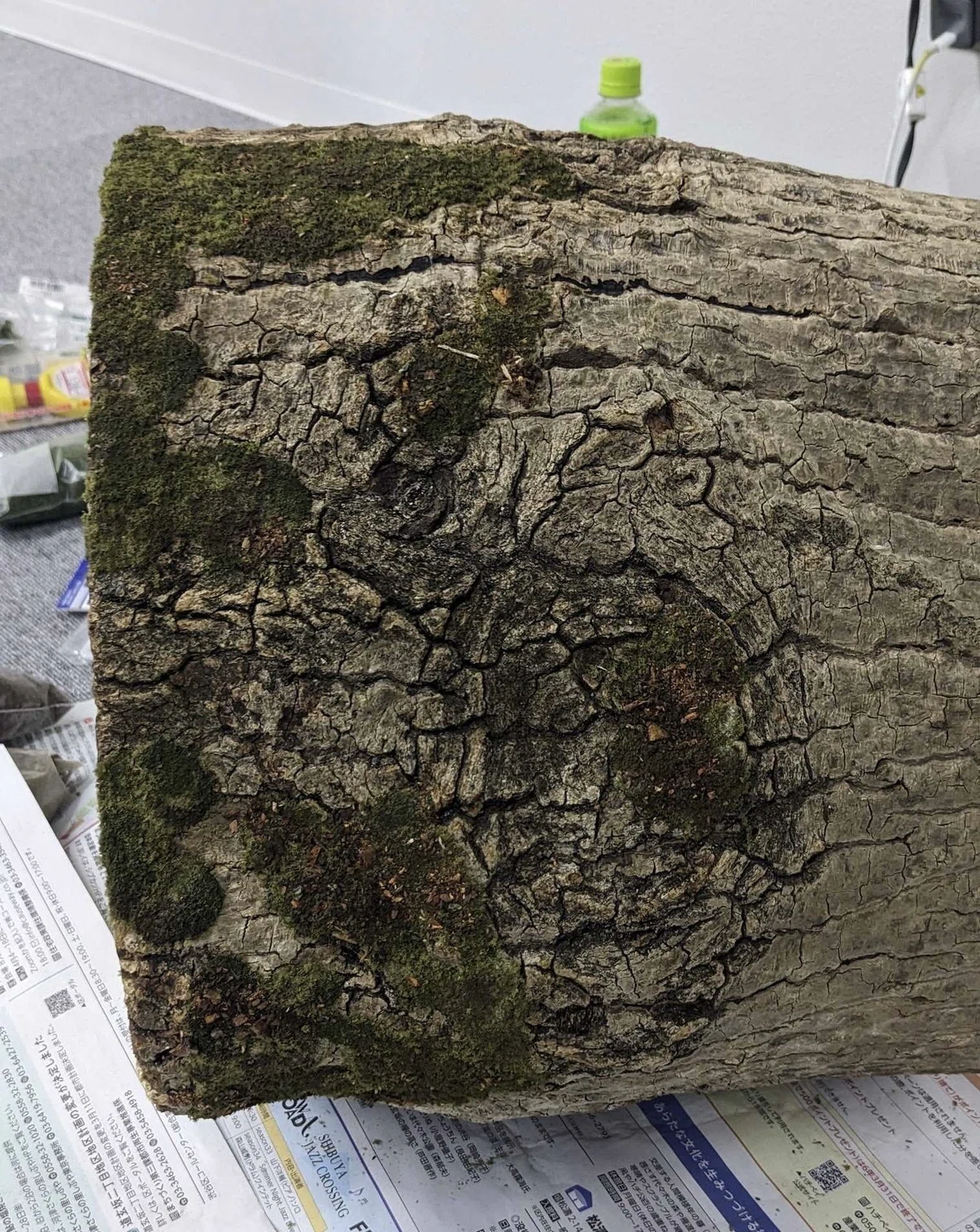
Adding moss and other details to recreate a natural forest tree stump.
- That sounds like a production that relied heavily on preparation.
-
It really did. Location scouting became a huge part of the project. Shoots in the mountains or by the sea are always at the mercy of the weather. On one occasion, we completely reorganized the shooting schedule at four o’clock in the morning because conditions had changed.
That’s what production management often comes down to—finding solutions to whatever challenges arise, whether that’s weather, logistics, or something completely unexpected.

Finding My Own Way Through Experience
- I heard working on the music video for Gen Hoshino’s "Ikidomari" was another particularly memorable project.
-
Yes. It was tied to a feature film release, so the schedule was incredibly tight. We had roughly a week from the initial concept to filming, then only a few more days to complete editing, color grading, and final delivery. We explored several locations over consecutive days before deciding that the streets around Tomigaya and Yoyogi-Uehara captured the atmosphere we were looking for. Some scenes were even filmed inside the IN FOCUS office.
Until then, I’d mostly followed workflows that had already been established within the team. This project was different because I was able to approach it in a way that reflected my own experience and working style.
- That must have been especially rewarding.
-
It was. Working on music videos at INFOCUS—and seeing my name in the credits of a major production had always been one of my goals. Knowing that so many people would watch something I helped bring together was incredibly rewarding. It also gave me confidence that I could contribute to bringing high-profile music video projects to IN FOCUS.
Black Clothes, Clear Focus
- How would you describe the role of a production manager?
-
A simple comparison would be an assistant director on a television production. Our job is to make sure everything is ready so the shoot can run smoothly. That means coordinating crew members, managing the budget, anticipating problems before they happen, and making sure everyone has what they need on the day.
Take casting, for example. The director and client make the final decision, but the research and preparation leading up to that point often falls to the production manager. Even choosing the catering matters—it can have a real impact on the atmosphere on set.
- Is there anything you consciously keep in mind while working?
-
Building good relationships with the crew is incredibly important. I want people to feel comfortable coming to me with questions or concerns.
At the same time, I don’t think it’s helpful to simply say yes to everything. (Laughs.) If something isn’t realistic or would put unnecessary pressure on the crew, I believe it’s important to say no. Production managers are there to support the team, but we’re still equal members of it. If I take on every request without limits and the production suffers as a result, nobody benefits. Maintaining a sustainable pace—for both the team and myself—is far more important in the long run.
One thing I really appreciate about INFOCUS is that directors and producers are always nearby, making it easy to talk through challenges together.
- Ishizaki also mentioned that he makes a point of not being too deferential on set. He even wears bright clothes.
-
Appearance definitely plays a role.
For me, it’s actually the opposite—I always wear black on set. It’s a habit I carried over from my days as a photographer. Putting on black has become something of a mental switch that tells me it’s time to focus.
- What kinds of projects would you like to take on next?
-
I’ve really enjoyed working on music videos, and I’d love to continue taking on more of those projects in the future.