Making Every Project Visually Compelling
- To begin, could you tell us what an art director does?
-
Generally speaking, an art director oversees the creative process, ensuring that a client’s ideas are translated into compelling visual communication across advertising, branding, and graphic design. At INFOCUS, we have dedicated teams for graphic design, video, and web. Because of that, I often work across disciplines, providing art direction for projects that bring multiple teams together.
- What do you value most as an art director?
-
No matter the industry or project, my goal is always the same: to find the expression that feels most appropriate for that particular project. To do that, I start by researching, analyzing, and truly understanding the subject.
Logical thinking is at the core of my creative process. This approach becomes especially important in branding projects like CI/VI development, where we’re designing not just individual visuals, but the identity of an entire brand.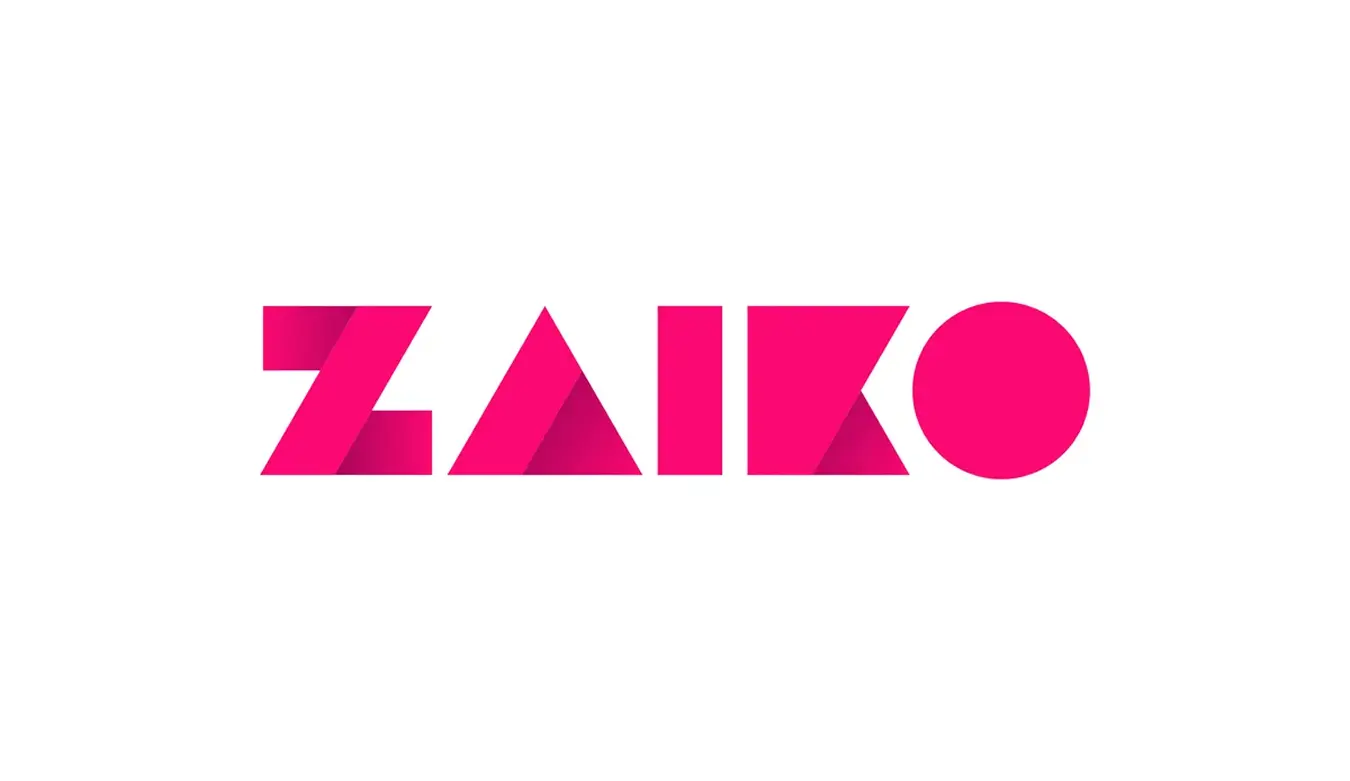

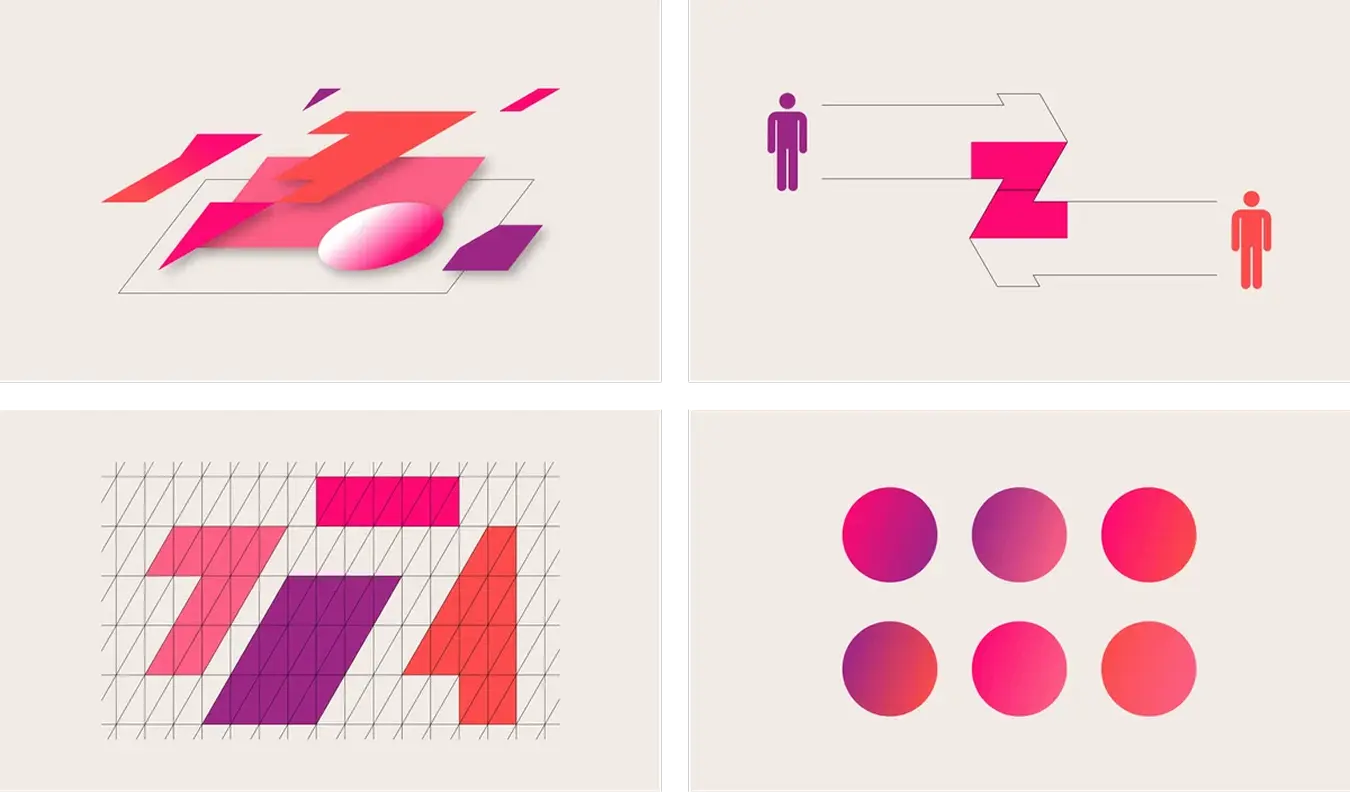
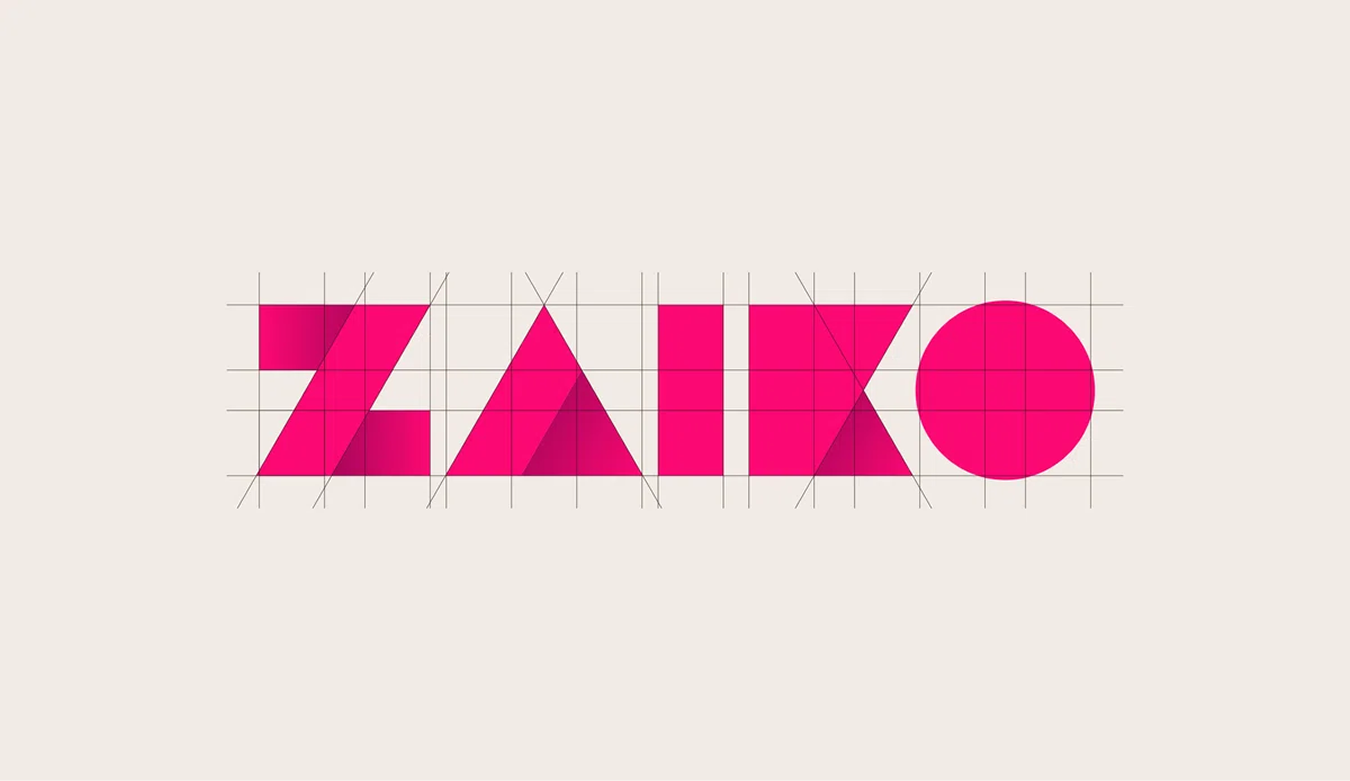
CI/VI for ZAIKO, an Electronic Ticketing Platform
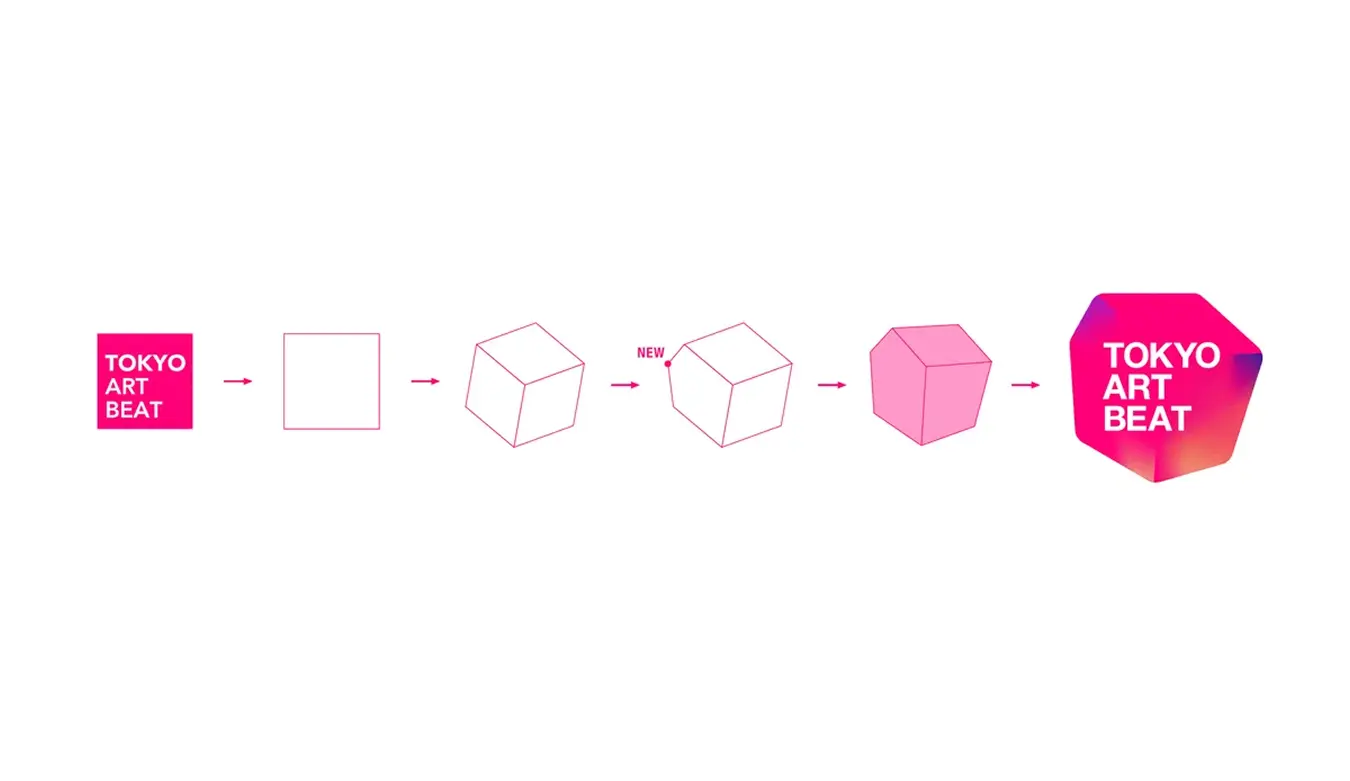
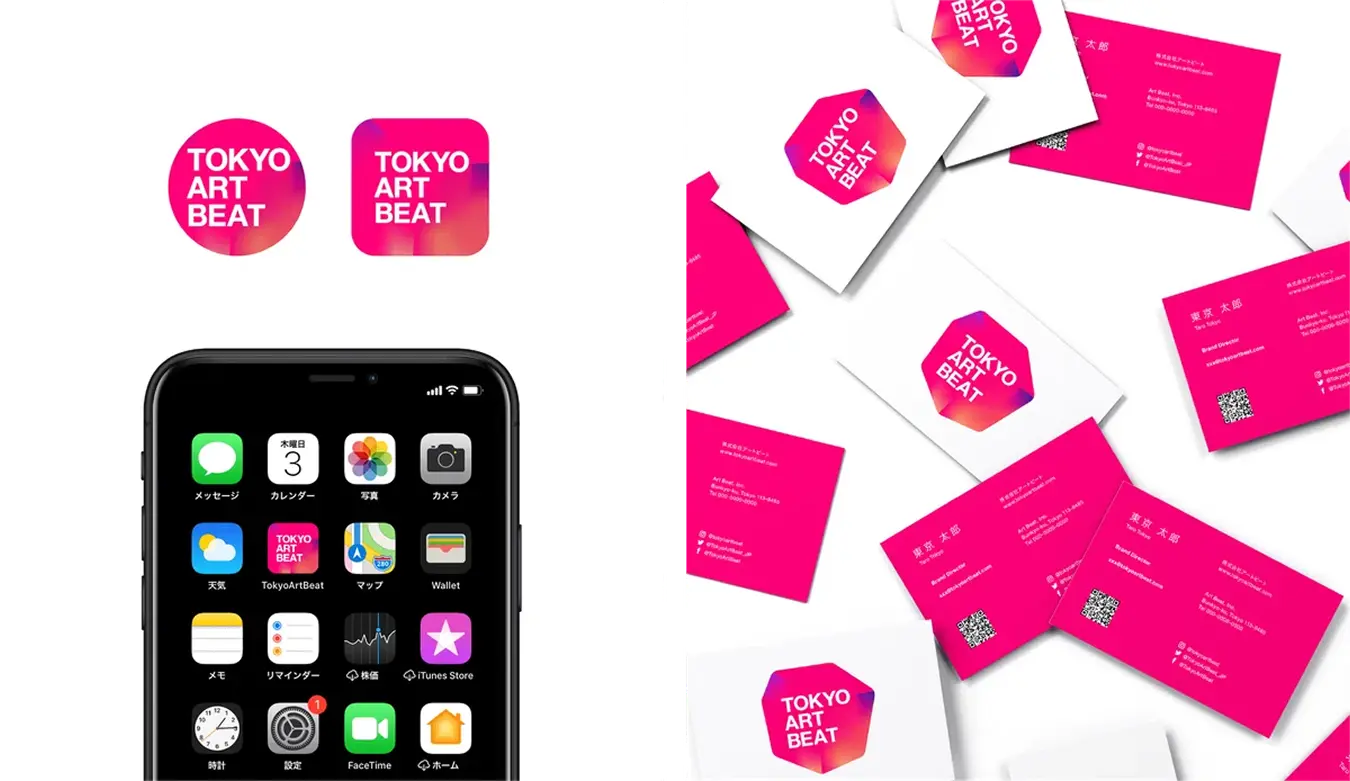
CI/VI for Tokyo Art Beat
My focus on finding the “right” creative expression comes from the different experiences I’ve had throughout my career. I’ve worked at design studios rooted in music and fashion, as well as agencies specializing in advertising and branding. Across all of those experiences, one goal gradually became clear to me: I wanted to become someone who could create across a wide variety of fields rather than being limited to one niche.
- Is that philosophy something you share with your team?
-
To an extent, yes—but I also believe it’s important to let everyone develop their own strengths. Creative people naturally have a strong desire to express themselves. They all have ideas about the kind of work they want to create and the kind of creator they want to become. I felt exactly the same way when I was younger, so I want to respect those ambitions in the people I work with.
- Is there a goal you’ve set for the team?
-
One of our biggest goals is to help every member perform at their highest level in the creative field they’re most passionate about. That’s possible because the graphic design team at IN FOCUS works on such a diverse range of projects. We have opportunities to challenge ourselves in many different industries and creative disciplines.
Inspired by Andy Warhol and Barry McGee
- What first sparked your interest in graphic design?
-
When I was a child, I took classes in calligraphy and painting, so I’ve always been drawn to letters and images. My parents also took me to museums regularly, which had a huge influence on me. One memory that really stands out is seeing an exhibition of Andy Warhol’s work when I was in elementary school. I still remember how powerful Marilyn Diptych felt.
Those experiences gave me a vague dream of becoming an artist, which eventually led me to study at an arts high school in the United States.
While I was there, I discovered graffiti culture. Artists like OBEY, KAWS, and DELTA introduced me to completely new ways of thinking about visual expression, but it was Barry McGee’s work that had the greatest impact on me. Seeing his work made me think, This is the kind of art I want to create.
- It sounds like your artistic interests have always been very specific.
-
I think that’s true. I’ve always been more drawn to graphic-based visuals than traditional painting. I especially love Pop Art, particularly works created through printmaking and silkscreen techniques.
- Is that what eventually led you toward graphic design and art direction?
-
Exactly. Living in the U.S. and being surrounded by art made me realize I wanted to work in the creative industry. It was also the first time I learned that graphic design could be a profession—a career that existed somewhere between commercial design and being an artist. That realization led me to return to Japan, take a break from university, and begin working at a design studio.
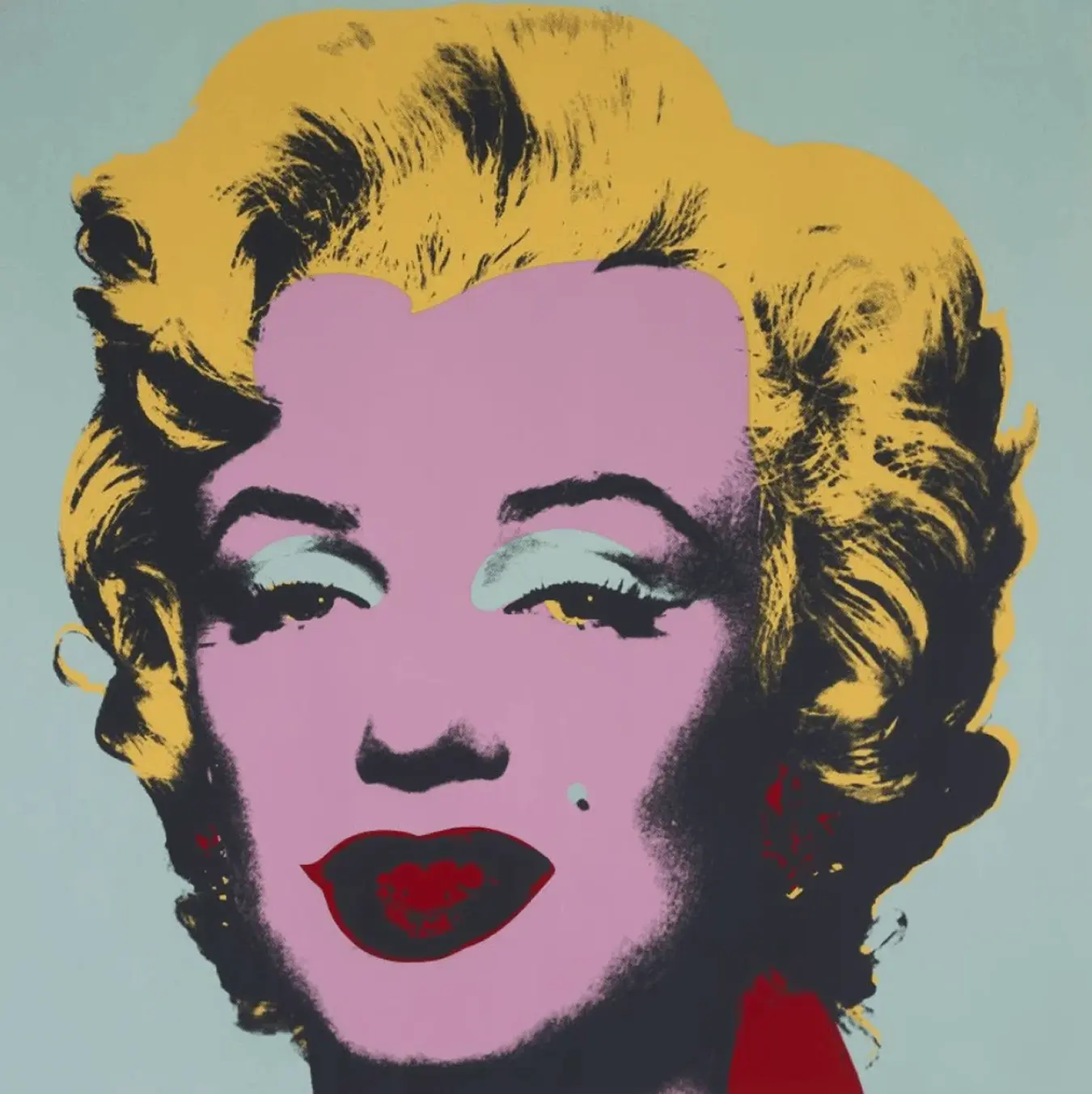
Andy Warhol
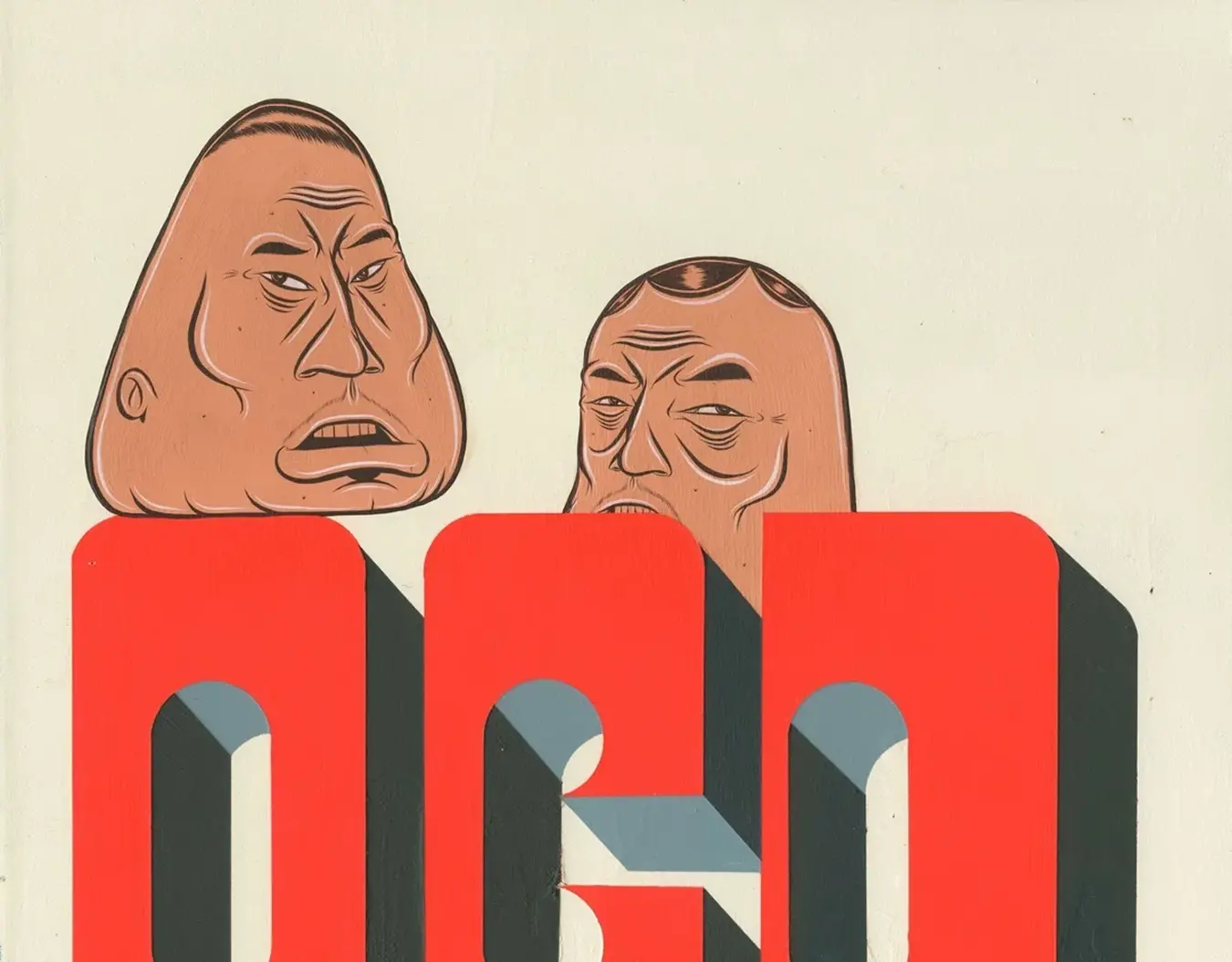
Barry Mcgee
Drawn to Creative Work That Crosses Disciplines
- What brought you to IN FOCUS?
-
While I was working as a graphic designer at my previous company, I started thinking about what I wanted to do next. Around that time, I had a conversation with Iguchi—our CEO, who had also been a close friend of mine since my twenties—and decided to join IN FOCUS. That was back in 2014, and my joining also marked the beginning of the company’s graphic design team.
I’d actually known IN FOCUS from the very beginning. When the company was founded in 2012, Iguchi and I were roommates, so I had a front-row seat to how the company grew. I understood the way they approached creativity and what made their work so exciting, and that was a big part of what drew me to the team.
As a side note, I was also the one who designed the company’s logo back then.
- What was it about IN FOCUS that stood out to you?
-
Back then, it was much more common for creative studios to specialize in just one field—web, video, or graphic design. IN FOCUS was different. The company embraced projects that crossed those boundaries, combining different creative disciplines into a single approach.
Today, as the lines between industries and media continue to blur, that way of thinking has become even more relevant.
As a team, we want to keep bringing fresh perspectives to every project and continue finding the creative expression that’s truly right for each one.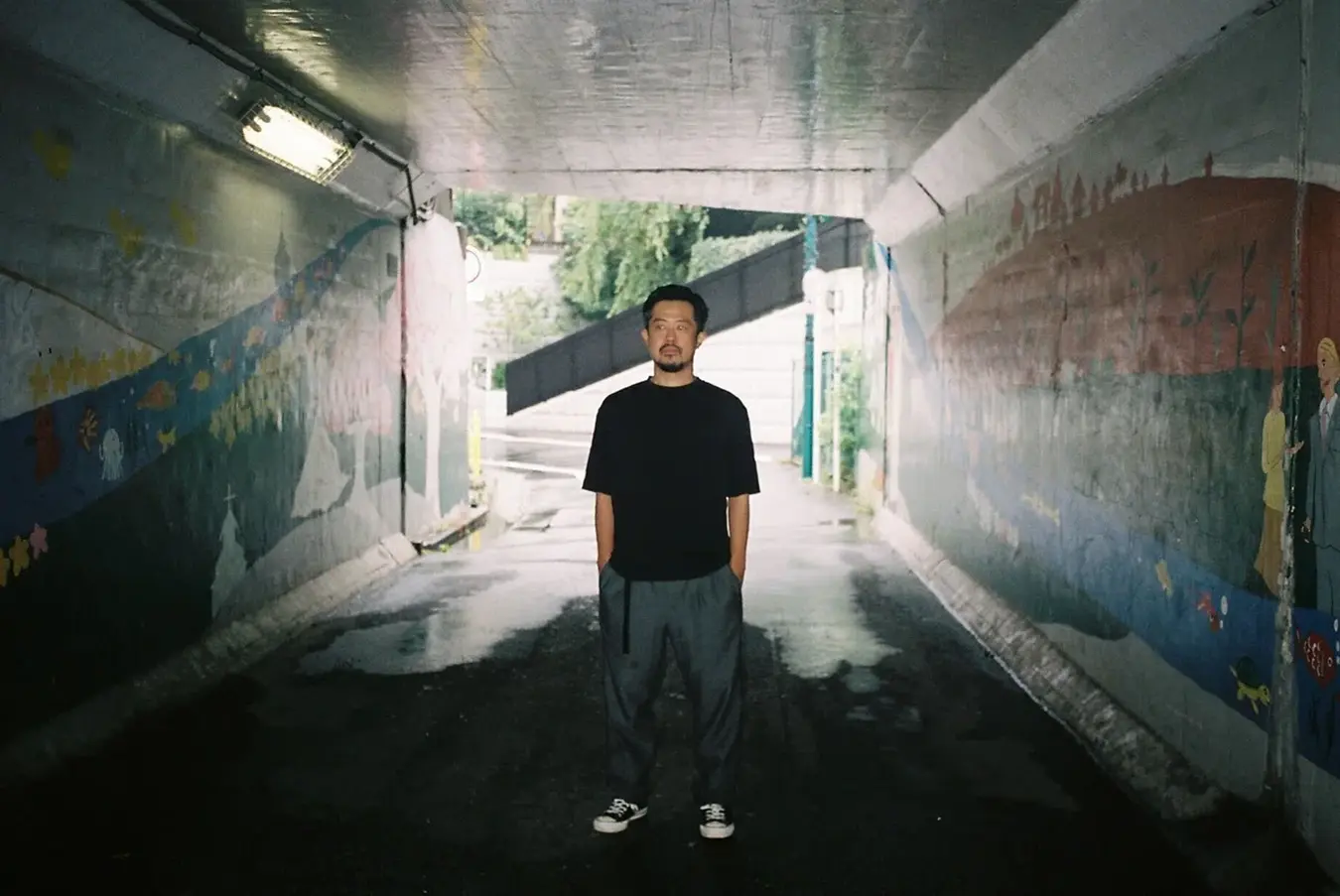
Another memorable project was the official film for ZEROTOKYO.
The edit moves at a rapid pace, with countless cuts, so I layered all kinds of visual elements—lights, mirror balls, and glowing effects—to create a sense of energy.
I also paid close attention to matching the rhythm of the visuals to the music.
Sometimes I’d cut rapidly, flip the image horizontally for just a split second, or expand the visuals as the music built in intensity.
I really enjoyed taking the footage and soundtrack we’d been given and experimenting freely to create something visually dynamic.