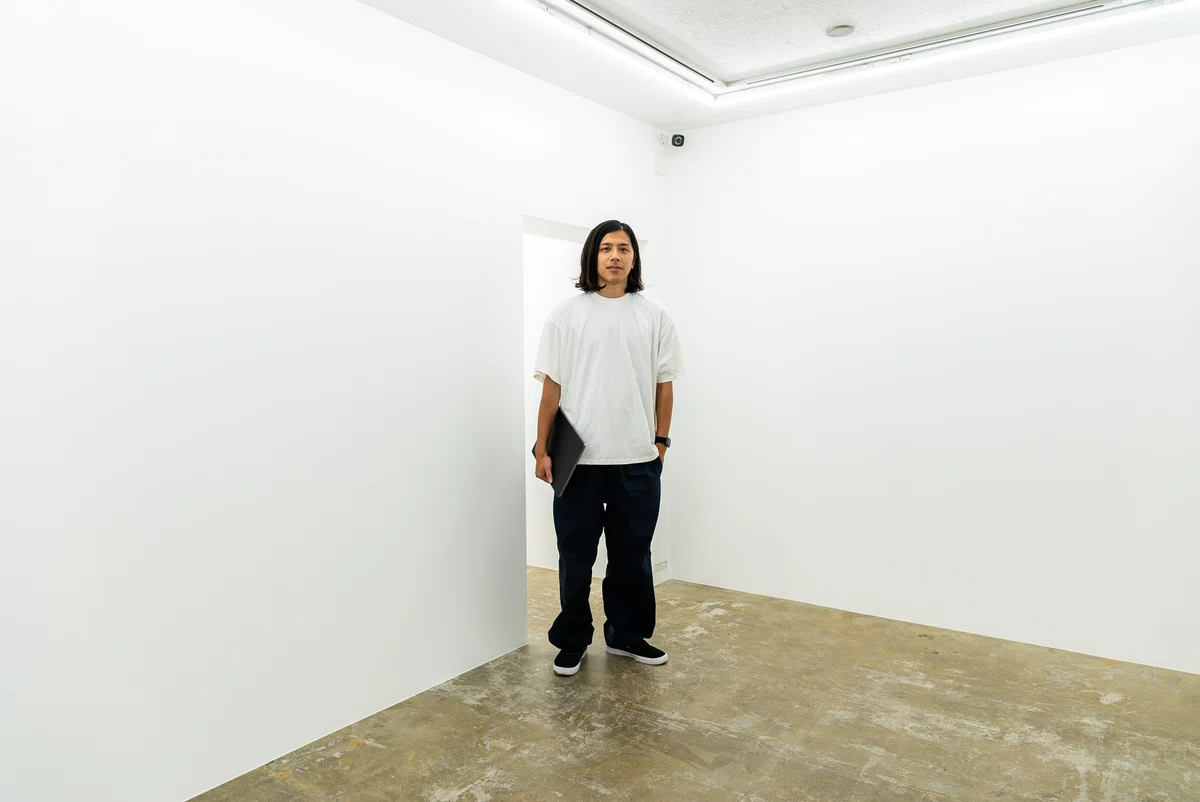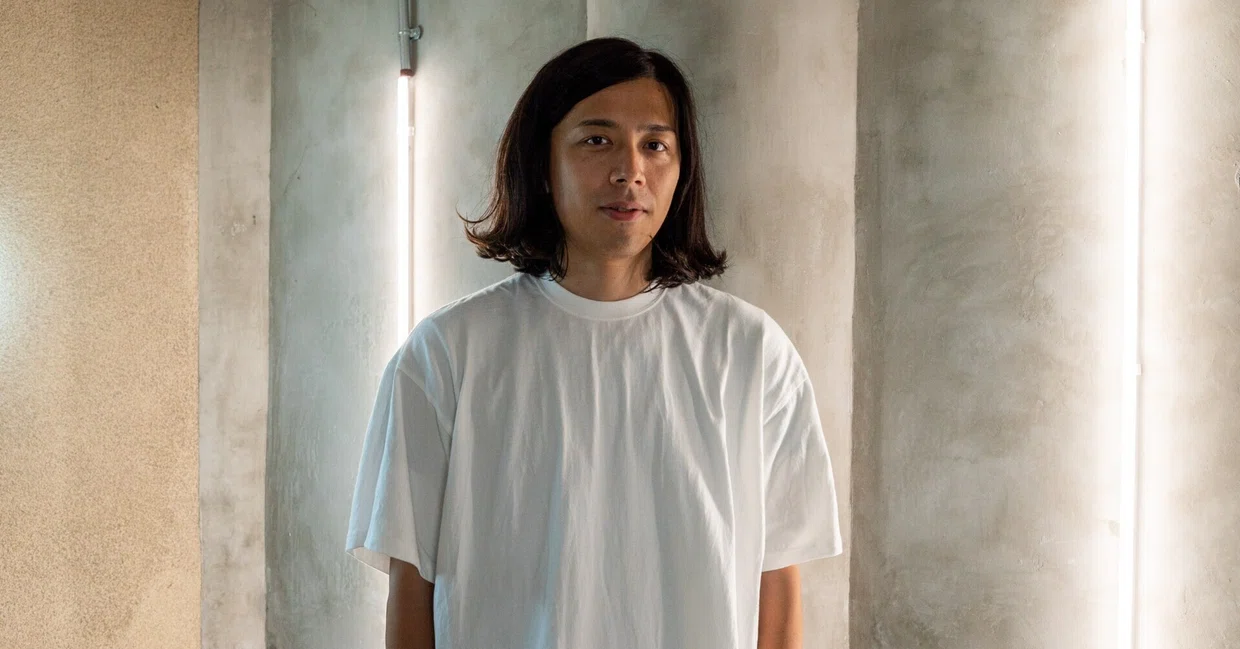
Hosoya has recently led web projects for clients including THE SHARE HOTELS, SmartNews Careers, and FRONTIER CONSULTING. In this interview, he shares his approach to making things, the values that guide his work, and the path that led him to join IN FOCUS.
Bringing Purpose to Every Project
- To start, could you tell us what a web director does?
-
I oversee every aspect of website production, from concept development and information architecture to design, content planning, technical coordination, and post-launch operations. The biggest part of my job is figuring out how to organize and communicate the core idea behind a project. Concept development and information architecture always go hand in hand, so I’m constantly thinking about how those ideas will ultimately take shape visually. Because of that, my role naturally extends across a wide range of disciplines while always keeping design in mind.
- Do you ever get involved in the actual design work?
-
Absolutely. At INFOCUS, strategy and visual design are usually developed simultaneously, and I think there’s real value in designing things myself. The act of creating often helps clarify ideas and leads to unexpected discoveries.
As I build the structure of a website, I’m also thinking about how it should look and feel. The two processes inform each other and ultimately strengthen both.
- Is there a project that stands out in your memory?
-
The projects I remember most are the ones that pushed me beyond traditional web design. For example, there are times when a static design isn’t enough to communicate an idea, so I’ll create animation prototypes instead.
On the corporate website for ONE CAREER, I created a motion study for the animated logo on the homepage using After Effects and presented it during the design phase. The final version was produced as a polished 3D animation, but creating an early motion prototype allowed us to communicate details like the logo’s movement, rotation, timing, and overall feel before production began. It helped everyone involved better understand the direction we wanted to take.
- That sounds like you’re approaching projects from both a director’s and a designer’s perspective.
-
Exactly. Besides projects like that, I often create prototypes for scrolling interactions or interface animations in After Effects. There’s something really satisfying about taking an idea that only existed in my head and turning it into something people can actually experience. (laughs)
More than anything, I enjoy projects that go beyond traditional web design—whether that means integrating animation, photography, or video into the experience.
- What skills do you think are most important for a web director?
-
Preparing for this interview actually made me realize just how broad the role has become. (laughs) That breadth comes from my experience at IN FOCUS, where I’ve had the opportunity to develop expertise across many different areas. But before any technical skill or creative talent, I think what’s most important is having a genuine passion for the things you care about.
The goal of our work isn’t simply to create something beautiful—it has to communicate something meaningful. That kind of commitment isn’t just about technical ability or good taste. It’s about constantly asking yourself questions: How can we solve this problem? How will people respond? What’s the strongest way to tell this story? It’s really a mindset—a willingness to keep exploring until you’ve found the best possible solution.
"Everything I Love Was Here"
- What led you to join IN FOCUS?
-
Preparing for this interview actually made me realize just how broad the role has become. That breadth comes from my experience at IN FOCUS, where I’ve had the opportunity to develop expertise across many different areas. But before any technical skill or creative talent, I think what’s most important is having a genuine passion for the things you care about.
The goal of our work isn’t simply to create something beautiful—it has to communicate something meaningful. That kind of commitment isn’t just about technical ability or good taste. It’s about constantly asking yourself questions: How can we solve this problem? How will people respond? What’s the strongest way to tell this story? It’s really a mindset—a willingness to keep exploring until you’ve found the best possible solution.
- What kind of work were you hoping to do back then?
-
Rather than simply becoming a web designer, I wanted to do everything related to visual creation. I wanted to design, shoot photography, and make videos.
Looking back now, I think the way I work today is actually very close to what I had imagined.
- How would you describe what makes INFOCUS unique?
-
Just as I’m committed to the things I care about, I think everyone here shares that same level of dedication. One phrase we value at INFOCUS is "an independent collective." To me, it also means being a team of people who are deeply committed to the creative fields they love.
The Things I Love Haven’t Changed Since Childhood
- Where do you think your passion for creating things comes from?
-
Even before I wanted to create something, I simply loved cameras, gadgets, technology, Apple products, and internet culture. The first computer I remember using was a Power Mac. It had a translucent plastic body like the original iMac, and I remember opening Illustrator—back when it still had the old Venus logo—and using it as if it were a painting program. Looking back, I realize I was incredibly fortunate to grow up around those kinds of tools. (laughs)
I also spent hours drawing geometric patterns and spiral staircases. I’ve always been fascinated by repetition and structure, and I think those interests eventually shaped the way I approach design today.
Even before joining IN FOCUS, much of my work involved concept development, restructuring information, and editing content—areas that naturally connect to what I do now.
- Are there any artists who’ve influenced your work?
-
It’s difficult to narrow it down to just one. If I had to choose, I’d mention graphic designer Andy Gilmore and photographer Andreas Gursky. I discovered both of them around the same time I first came across IN FOCUS, so they’ve always stayed with me.
Looking back now, I can also see how their work connects to the geometric patterns and structured compositions that fascinated me as a child.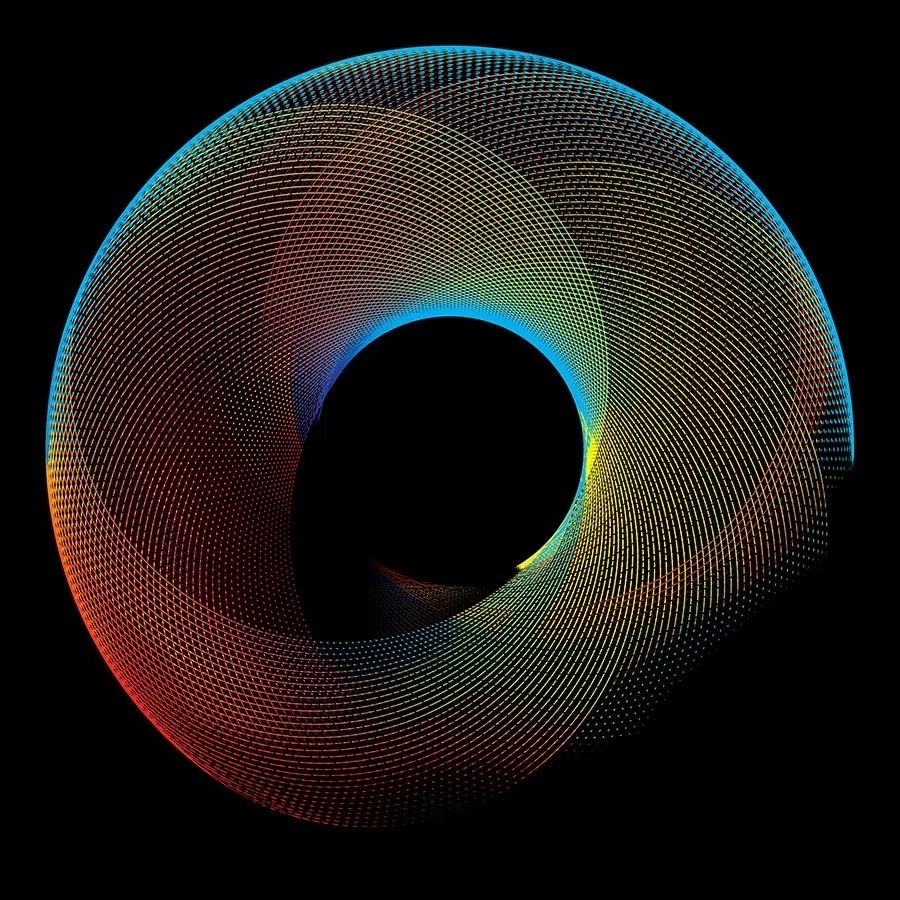
Andy Gilmore
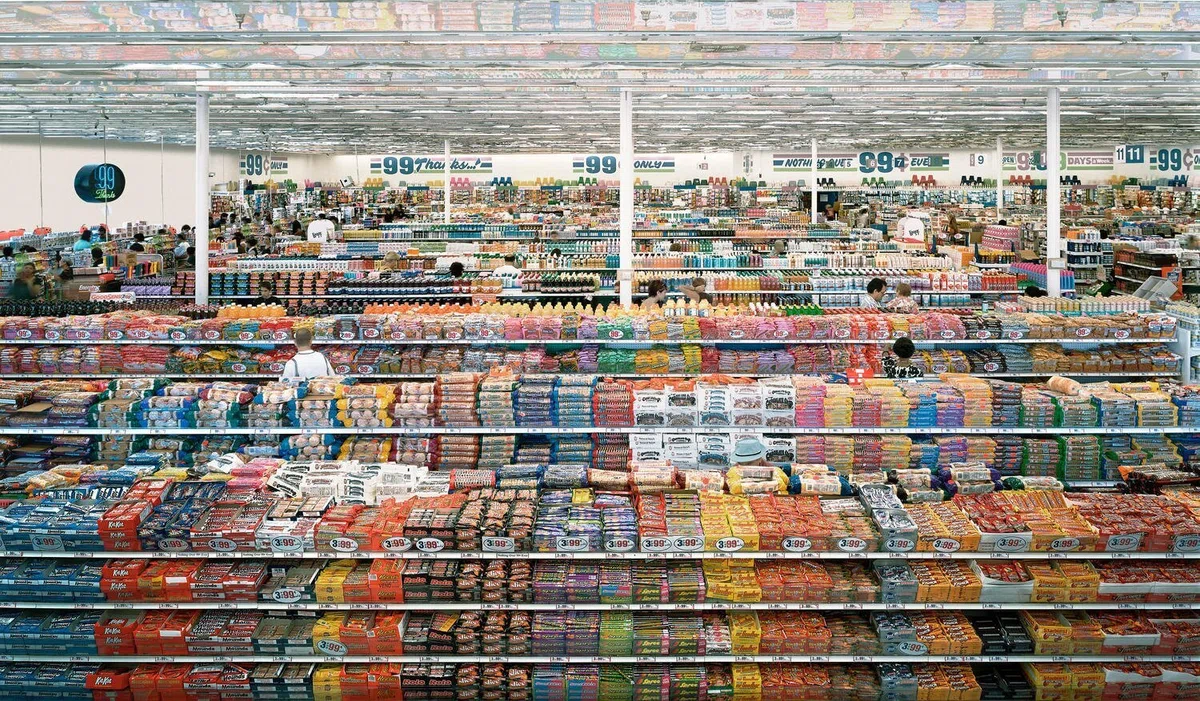
Andreas Gursky
- Earlier you mentioned that your current role is close to your ideal. Is there anything you’d still like to explore?
-
I genuinely enjoy creating things with my own hands, so I’d love to challenge myself with 3D graphics. Of course I’m interested in incorporating 3D into websites, but I’m equally excited by the possibility that new tools can lead to entirely new ways of thinking and creating.
Not long ago, we hosted a six-part internal workshop led by the video production collective Tsuribe Tokyo, which only deepened my interest in 3D.
More than applying it to a specific project, I simply want to create 3D visuals and animation because I find the medium fascinating. It’s another creative field I’d love to continue exploring.
Bringing the Same Passion to My Hobbies
- Finally, let’s talk about life outside of work. What are you into these days?
-
Photography has become one of my biggest hobbies. I especially enjoy shooting in manual mode. Part of the appeal is understanding the mechanics of the camera itself, but I also love the process of crafting an image—from planning the shot to editing it afterward.
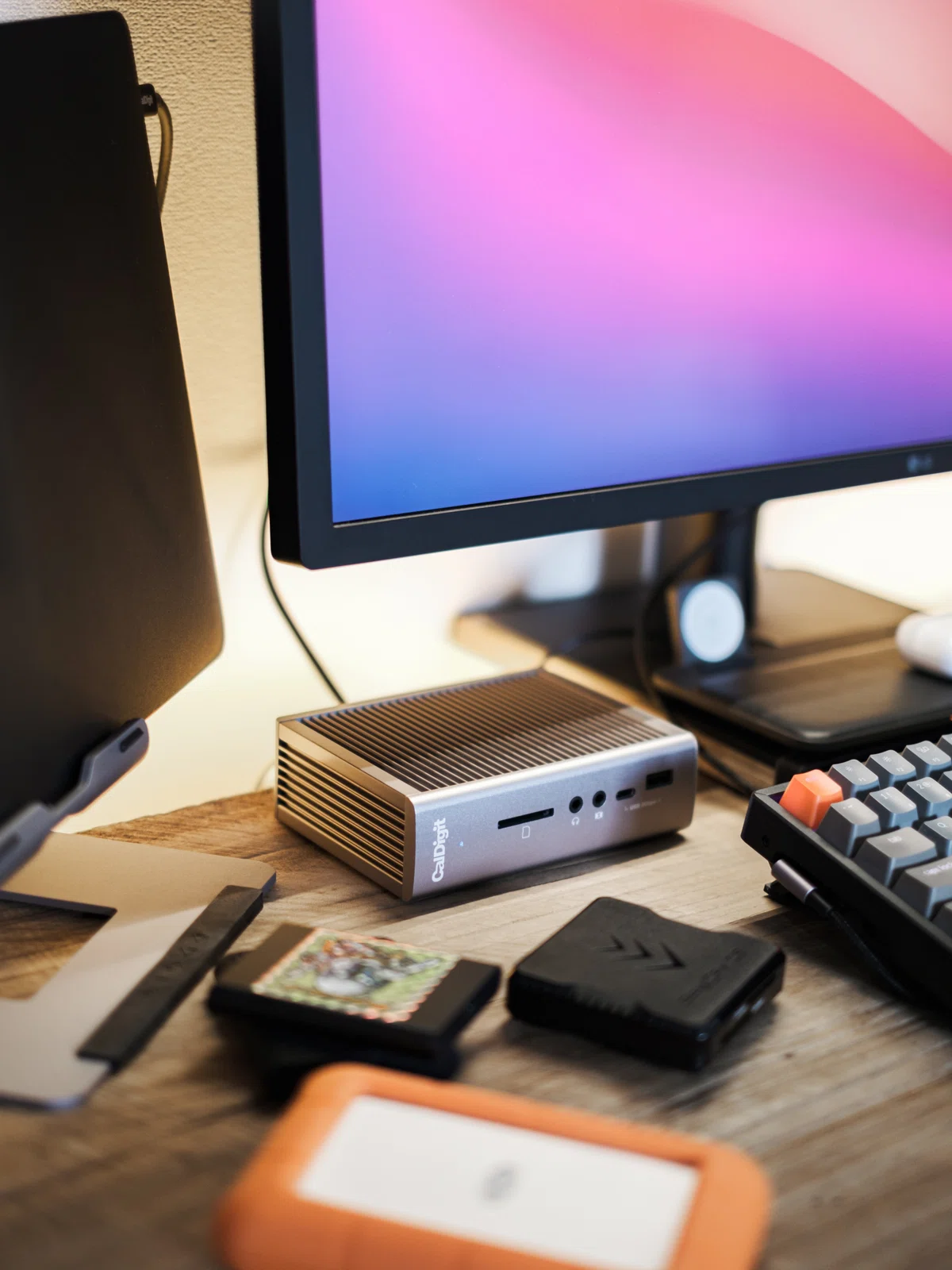
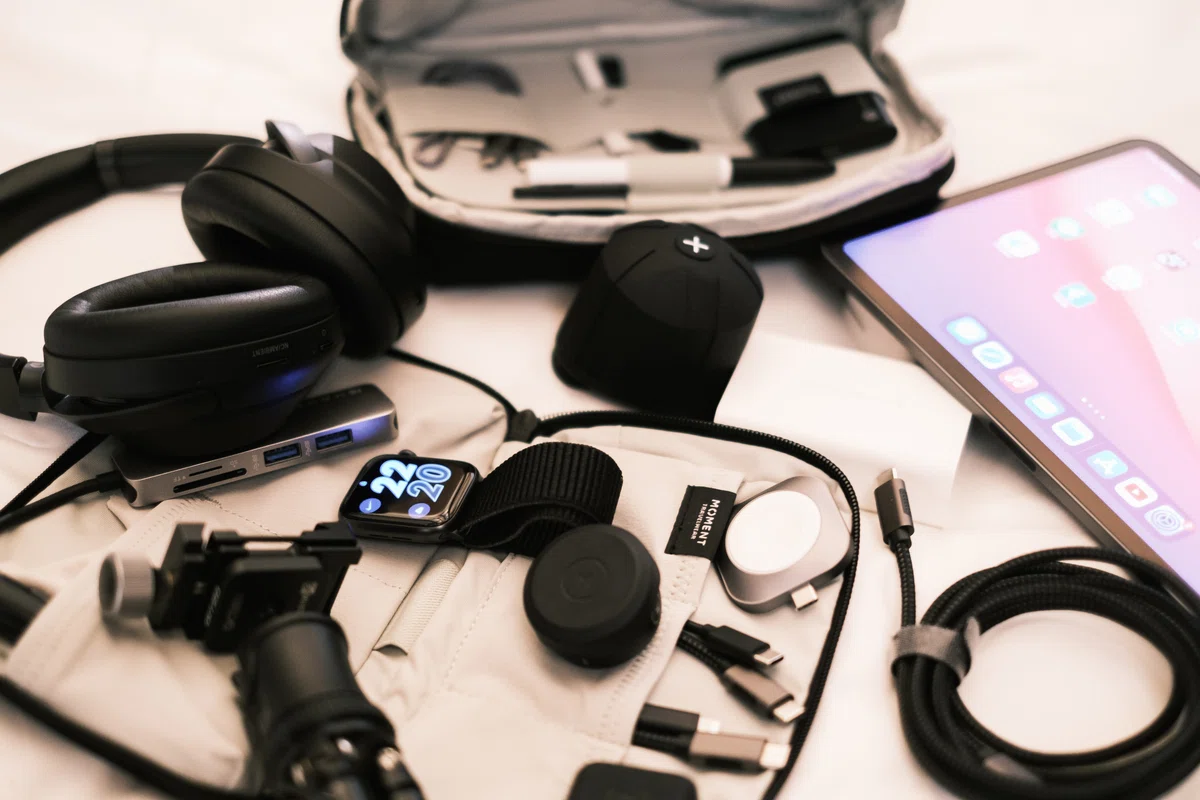
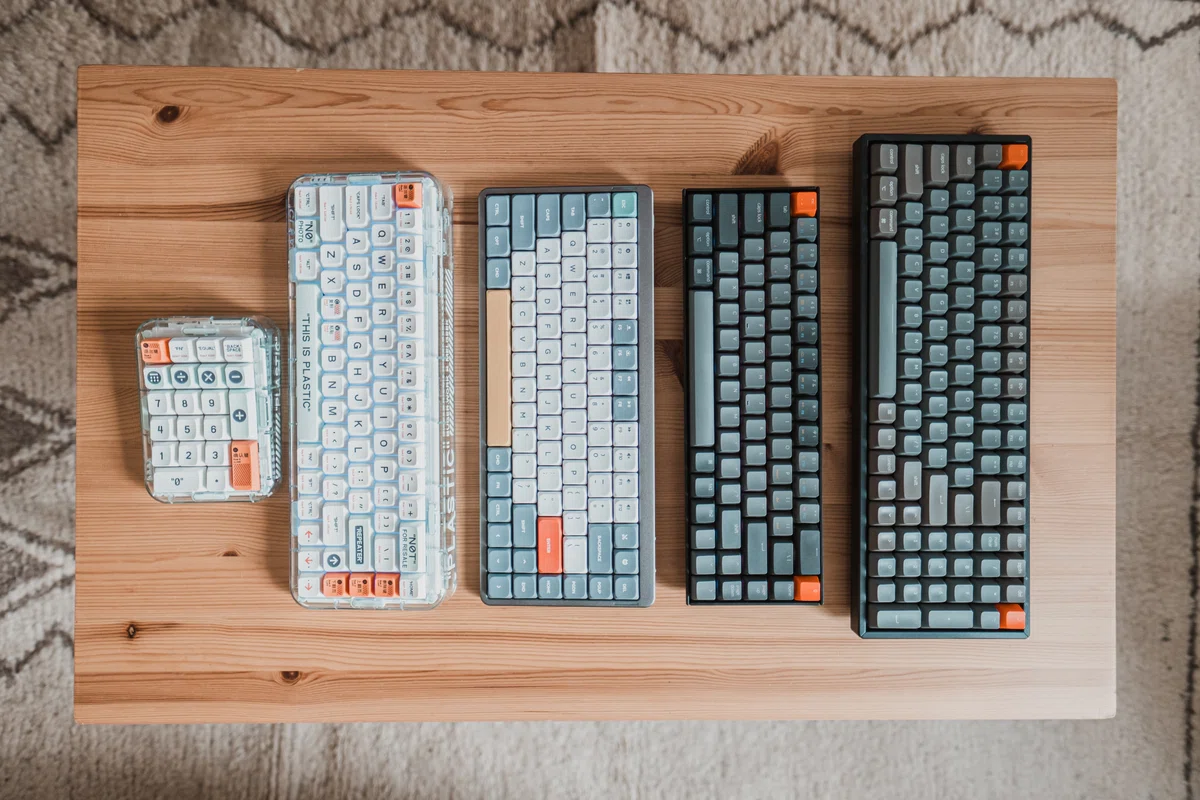
Ideally, I’d love to spend more time shooting street photography or landscapes while traveling abroad. Lately, though, I’ve found myself photographing gadgets instead. It’s become a bit of a personal obsession. (laughs)
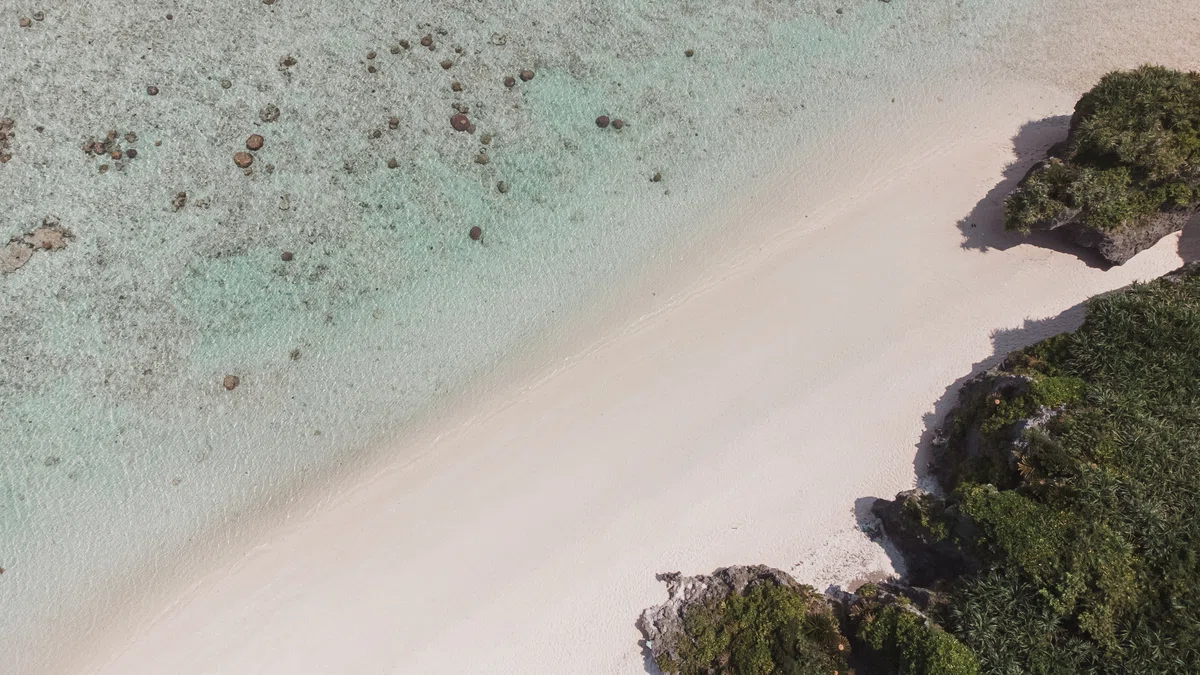
I also recently bought a drone, so I’ve been spending a lot of time shooting aerial footage. Whenever I get the chance, I take it to the mountains, rivers, lakes, or the coast and fly as much as I can. And because I’m always searching for new gadgets, watching product review videos has become part of my daily morning routine.